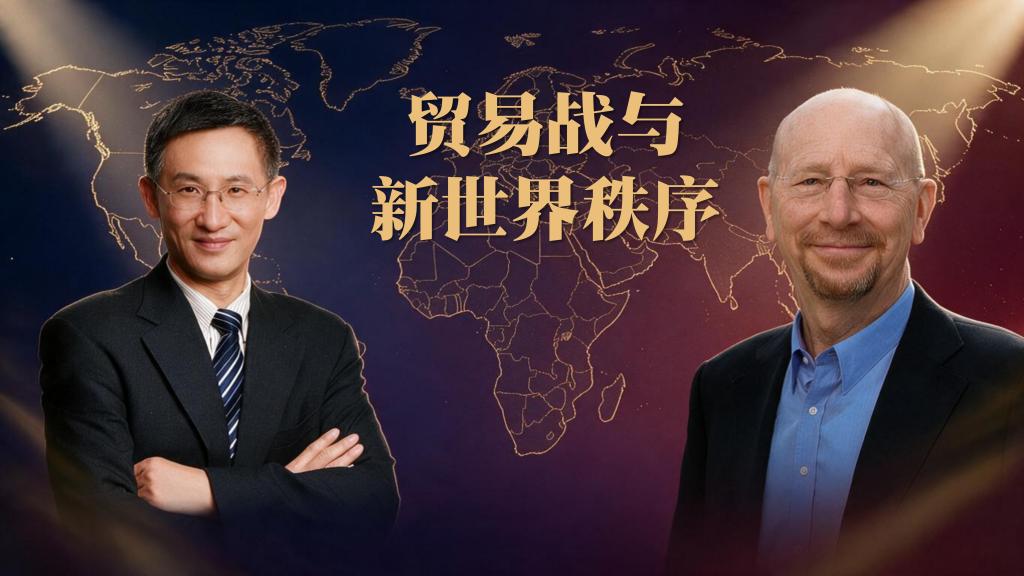
2026年8月8日,瑞士洛桑IMD国际管理发展学院国际经济学教授理查德·鲍德温(Richard Baldwin)与清华大学五道口金融学院讲席教授、国际金融与经济研究中心(CIFER)主任,中国国际贸易研究会(CTRG)主席,《大国竞争与世界秩序重构》作者鞠建东进行了直播对话,主题为"贸易战与新世界秩序"。
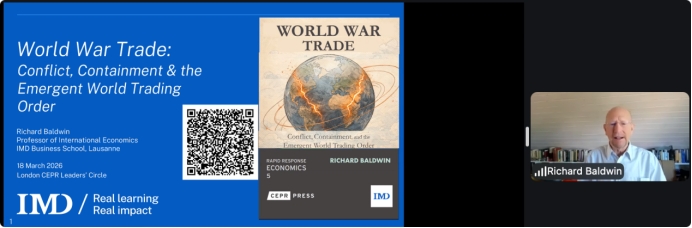
直播中,理查德·鲍德温分享了他的新书《World War Trade:Conflict, Containment, and the Emergent World Trading Order》,他认为,2025年4月以来的全球贸易摩擦与以往显著不同:美国作为全球最大进口国对外普遍加征关税,开始以丛林法则的方式看待贸易谈判和贸易政策,中国作为全球最大出口国实施了精准有力的出口管制反制措施,在维护自身利益的同时间接保护了WTO体系。
他指出,特朗普关税政策主要被美国部分中产阶级对全球化冲击的不满情绪所驱动,但美国工业界、金融市场和消费者承受的成本压力以及国内司法体系的制约,使其难以持续升级贸易摩擦。鲍德温将“特朗普冲击”的影响概括为“区域主义多米诺骨牌理论”,即外部冲击导致新的自由贸易协定出现,新的自由贸易协定又会给非成员国带来新的贸易歧视,各国为寻求确定性而进一步加速加入或组织新的区域贸易协定,由此推动新的世界贸易秩序形成。
他还提出,当前贸易摩擦主要集中在汽车、半导体等少数行业,通过有限且精准的管理贸易措施,有助于避免局部摩擦的全面扩散和升级。在补贴问题上,他认为现有WTO规则难以适应不同发展模式的经济体,未来应在WTO框架之外提高补贴透明度、对补贴设置一定的“护栏”。
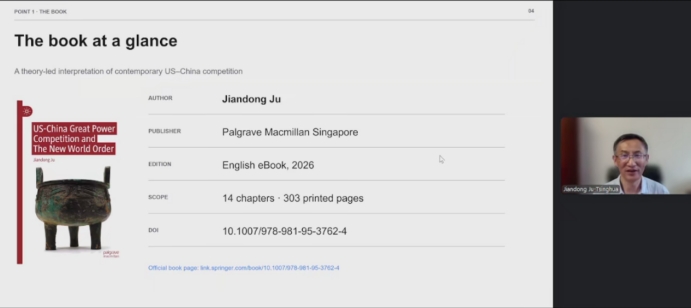
鞠建东教授也围绕自己的英文著作《US-China Great Power Competition and The New World Order》进行了分享,他表示,伴随全球化的垄断利润和分工固化效应导致收益分配失衡和部分国家低端产业锁定,加剧了国家间利益冲突。他指出,当前全球制造业中心已向中国等新兴经济体转移,但国际货币体系和全球治理结构仍主要围绕美国构建,这种结构性错配是全球经济失衡和贸易摩擦的重要根源。因此,推动国际货币体系更加均衡、提高人民币国际货币地位,有助于促进各国制造业和贸易结构的可持续发展,推动世界秩序由单一霸权主导转向“竞争性共存”。
对于中美竞争前景,鞠建东认为双方存在双赢、双输和单方胜出的多重均衡。中国需要通过保持经济健康增长、提升人民币国际货币地位以及增强周边地区战略威慑能力,避免中美陷入“双输均衡”。他同时指出,中国对美贸易反制本质上是一种以重回合作轨道为目标的“镜像策略”,而非升级对抗。在技术竞争方面,中国作为追赶者,应重点布局新能源、人工智能、数字货币、以及亚洲共同体的治理体系创新等颠覆性创新领域,实现跨越式发展。对于未来十年的中国战略建议,鞠建东将其概括为“不称王、稳市场、谋共享”,即立足亚洲市场发挥区域规模经济优势,通过深化区域合作共享发展成果。
鞠建东主持了对话,他首先感谢鲍德温教授参加对话,感谢线上参加对话的广大听众。鞠建东特别强调:这是一次学术对话,两位教授都只代表他们个人的学术观点,不代表任何组织。因为是学术对话,当然就会有不同的学术观点,两位教授会对不同的学术观点展开讨论,也欢迎大家批评指正!不同学者,尤其是中外学者在其专业领域的学术交流,有助于对中美竞争这个重要议题加深理解。
以下为速记全文:
【中文速记】
理查德·鲍德温:大家现在看到的这一页是我这本书的封面。书名为《全球贸易战:冲突、遏制与正在形成的世界贸易秩序》。为什么我把它命名为全球贸易战?我们现在所处的情况,与2025年4月之前发生的一切完全不同。如果把关税比作导弹,那么2025年4月2日就可以被视为“全球贸易战”开始的日子。美国当时通过大范围加征关税,对全球贸易采取了非常强烈的措施。特朗普在4月2日对来自几乎所有国家、几乎所有领域的进口产品加征关税。与此同时,美国改变了此前在贸易领域所作出的许多承诺,包括贸易协定以及WTO框架下的相关承诺。同时放弃了其在全球贸易体系中的领导地位。实际上,这种领导地位此前已经逐渐减弱了。但是,在那次行动之后,这一点变得非常明确:这顶王冠被摘了下来,并被扔到了地上。美国通过实际行动宣布,它正在从“贸易规则”转向一种“丛林规则”。也就是说,美国开始把贸易协定、贸易谈判以及贸易政策更多地理解为一种“丛林法则”:不是规则决定什么是正确的,而是实力决定什么是正确的。这对美国来说是一个非常大的变化。因为在此之前,美国基本上一直是多边贸易体系的设计者和维护者。当然,美国在这一体系中的领导作用其实已经减弱了很长一段时间。但从4月2日开始,这种局面发生了根本性的变化。
两天之后,中国采取了精准的稀土及相关产品出口管制措施作为回应。4月4日,中国针对稀土以及相关产品实施了出口管制措施。这项措施符合WTO规则,而且是经过多年准备的。所以,它与美国当时的政策并不一样,不是临时仓促制定,而是经过充分研究的政策。很明显,这套政策已经经过多年的准备和发展。事实上,很多年前,中国就曾经对日本尝试过类似的措施,而当时相关措施被WTO认定为不符合规则。这在一定程度上也有助于我们理解此次措施的性质。但是,正如大家所知,中国对稀土产业具有非常强的控制能力。中国占全球稀土开采量的60%;占分离环节的78%。稀土分离需要大量技术,而且在环境方面可能具有较高风险。中国占全球稀土精炼产能的91%。精炼过程同样非常复杂,因为其中一些材料在精炼过程中可能具有较高的安全风险。而在稀土磁体方面,中国占全球产量的94%。而磁体实际上才是真正能够提供动力的关键部分。任何能够移动的高技术产品,都很难离开稀土永磁体。这包括军事装备、爱国者导弹以及其他类似设备。
所以,这就是我所谓的全球贸易战。全球最大的进口方对全世界的进口产品加征关税;全球最大的出口方则对全世界实施出口管制。因此,到4月底,全球贸易以前所未有的方式被赋予了战略属性。这与20世纪80年代美国和欧盟之间的贸易争端完全不同。也与美国和日本之间过去的贸易战不同。更与特朗普第一任期内美国与中国之间的贸易摩擦完全不同。到2025年,在美国,贸易战已经成为一个具有较高政治吸引力的话题;而在中国,对相关措施采取回应也具有较高的政治支持度。贸易和投资领域的这种战略化趋势将会长期存在。我们必须适应这种新的情况。我之所以提出“全球贸易战”这个概念,就是希望迫使我们以一种不同于过去看待其他贸易摩擦的方式,重新思考当前的局面。
现在,我想花一点时间谈谈特朗普总统的动机。我个人认为,人们目前并没有按照该有的方式充分理解这些动机。我的观点可能与很多其他人的观点不同。但是,我发现,用这种方式来组织我对世界正在发生什么的思考,非常有帮助。我希望大家至少可以考虑一下这种分析方式。因为归根结底,在一本书或者这样一场演讲中,我并不只是想告诉大家发生了什么。我希望促使大家进一步思考:到底发生了什么?为什么会发生?而这个“为什么”——比如特朗普总统的动机——能够帮助我们理解他未来可能采取什么行动。我在很长一段时间里向不同的听众解释这些问题之后发现,使用漫画可能是最好的方式。尤其是对于经济学家以及其他技术性比较强的听众来说,他们通常不太习惯用这种方式来思考贸易政策。所以,我会使用一些漫画来帮助大家理解我的观点。
为什么美国人会支持贸易战?首先,我们经历了20世纪90年代的经济冲击。美国工人一方面在海外与中国竞争,另一方面在国内与机器人竞争。你可以看到,美国工人对此感到非常不满。一些工作岗位转移到了海外,一些工人在填写求职申请。与此同时,自动化也在发生。他因为自动化而失去了工作,同样感到非常沮丧。美国还存在一个缺失的社会保障体系。与其他发达经济体相比,美国的社会保障体系相对不够完善。所以,美国人在寻找新工作的时候得到的帮助有限。失业救济的期限也比较短。政府并没有把帮助工人进行就业调整看作自己的主要责任。在美国,如果你失去了工作,很大程度上需要自己面对这个问题。而且,当这种情况发生的时候,你很可能还会失去医疗保障。你也可能失去养老金。如果你无法继续偿还房贷,那么你甚至可能失去自己的房子。所以,与加拿大、欧洲或者日本相比,美国的制度更加倾向于自由放任,而且相对而言,调整成本也更高。在缺乏政府帮助进行调整的情况下,中产阶级逐渐成为被遗忘的人群。于是,中产阶级的不满开始积累。你可以看到这些工人在问:“未来的就业机会在哪里?”
而情况还在不断恶化。如果你看看相关数据,就会发现,美国中产阶级的生活水平在很多维度上都出现了明显恶化。所以,美国中产阶级的不满是真实存在的。这并不是虚构出来的。也不仅仅是一个政治问题。然后,民粹主义式的政治承诺出现了。特朗普将这种痛苦转化为民粹主义政治叙事,并进一步将这种受挫感转化为贸易政策。他承诺,关税将带来更多就业机会。他承诺,美国将优先。而这些工人,已经听过民主党总统的承诺,也听过共和党总统的承诺——这一过程从20世纪90年代就开始了。一届又一届政府承诺了各种各样的事情,但什么都没有真正改变。所以,当特朗普第二次竞选总统时,他说,关税将成为解决问题的办法。他向所有人承诺,他将提高关税。
当时愤怒的中产阶级并没有非常仔细地思考,这究竟意味着什么。他们感到愤怒。而这成为一种反击的方式。总统将站出来为他们争取利益。也许这真的能够奏效。无论如何,过去的其他办法似乎都没有奏效。于是,这就形成了我所谓的“申诉主义”。美国贸易政策背后的核心逻辑就是这种“申诉主义”,而不是其他什么东西。但是,这种“申诉主义”本身又建立在一个神话之上。我想向大家展示这个神话是什么。我之所以花这么多时间讲这些漫画,是因为我认为,理解美国人——尤其是支持特朗普的美国人——如何看待关税非常重要。同时,我们也需要理解,美国华盛顿的政治家,无论是民主党还是共和党,如何利用这种美国社会中的认知来获得政治收益。
这个故事是这样的:美国一直遵守规则。这里的美国是一个“好人”,正在与外国人握手。但是注意看:这些外国人的背后却藏着刀。所以,美国遵守了规则,而美国却被别人利用了。美国是那个遵守规则的好人。而其他国家却在违反规则。最终,美国工人阶级失去了工作。美国出现了贸易逆差。而且,他们感到受到了羞辱。这里,“羞辱”这个词非常关键。因为这正是这些工人的一种重要感受。这并不仅仅意味着收入增长得不够快。也不仅仅意味着他们没有得到自己想要的工作。这些工人阶级感到自己受到了羞辱,因为他们的“美国梦”被打破了。在美国,如果你没有取得成功,人们往往会认为,是因为你懒惰,或者因为你不够聪明。所以,当人们遭遇这种重大的挫折时,他们开始怀疑自己,并产生一种受辱感。他们觉得自己被欺骗、被占了便宜。所以你可以看到,在那家已经关闭的工厂外面,一个人拿着美国国旗,低着头站在那里。而这个神话进一步产生了一个政治诉求:“阻止这种被夺走的感觉。”现在是反击的时候了。而关税就是一种报复。所以,在这里,我们看到一个披着国旗的“复仇者”。要讨回公道。要让对方付出代价。
当你观察美国贸易政策时,这种“关税就是反击、报复或者讨回公道”的思想非常重要。我知道,作为一个经济学家,从我的嘴里说出这些话可能听起来很奇怪。但是我要指出的是:在特朗普2025年4月2日宣布这些关税之前,实际上没有多少学术研究,甚至也没有多少政策研究,对这些具体措施进行过系统分析。这些措施完全出乎很多人的预料。市场对此产生了非常强烈的负面反应。而几乎所有经济学家——包括我自己——当时的第一反应都是:“这到底是什么?”没有经过仔细研究来证明这些关税如何能够帮助美国。没有系统分析这些关税如何能够带回就业岗位。也没有研究说明这些关税如何能够保护中产阶级。更没有研究说明这些措施如何能够改善贸易平衡。这些都没有。美国几十年来最激进的贸易政策变化之一,并没有得到通常意义上的贸易政策分析的充分支持。所以,如果你从这个角度来看——把它理解为一种由情绪驱动、由不满驱动的“报复性”政策——那么,很多看起来非常奇怪的贸易政策行为,其实就会变得容易理解得多。
所以,要理解特朗普式关税,你需要改变观察问题的角度。不要再问:“这些关税在经济上究竟想实现什么目标?”而应该开始问:“对于那些感到自己受到伤害、受到羞辱的美国愤怒中产阶级而言,这些政策听起来意味着什么?”特朗普式贸易政策给他们的感觉是:总统正在为那些被遗忘的中产阶级站出来。让我引用几句特朗普作为总统候选人在竞选过程中说过的话。他说:“多年来,自私而腐败的政治阶层背叛了宾夕法尼亚州的人民”“像拜登这样的职业政客欺骗了你们”“拜登是激进全球主义者、富有捐助者以及大资本特殊利益集团的代表,而这些人把你们的工作岗位转移到了海外,关闭了你们的工厂”然后他说:“我是你们的战士,我是你们的正义”“对于那些受到不公平对待、受到背叛的人来说,我是你们讨回公道的人”。
所以,当你观察特朗普如何制定贸易政策的时候,请记住这一点。这就是他所面对的听众。他是在向这些被遗忘的中产阶级展示:他正在为他们站出来。同时,他也在反击国内外的“全球主义精英”。这也解释了为什么他同样对欧洲、日本等盟友采取了强硬的贸易措施。背后的逻辑是:整个世界都在占美国的便宜。而他要对整个世界进行反击。
下面是一些可以支持我刚才观点的证据。要理解特朗普的贸易政策,我们需要把它看作一种“关税政治表演”,而不仅仅是一项经济政策。这是从特朗普1月份就任总统开始的数据。一直到2025年底。绿色线——数据来自《金融时报》——显示的是:如果特朗普真的完全按照他所宣布的政策实施,那么美国平均关税率本来应该达到什么水平。一开始,直到2月份都没有太大变化。然后,他针对加拿大、墨西哥和中国,以芬太尼问题为由加征关税。随后,又针对中国进一步提高相关关税。然后到了4月2日,他对几乎所有国家大幅提高关税。平均水平一度上升到大约25%。
但是,特朗普其实是一个关税现实主义者,而不是一个关税狂热者。当金融市场出现非常强烈的负面反应,看起来可能出现新的金融风险时,他立即后退。他把“解放日”关税,也就是4月2日宣布的关税,下调到了对所有国家统一的10%。但同时保留了一些其他领域较高的关税。顺便说一下,当他对加拿大、墨西哥和中国实施新的关税之后,美国国内产业立即作出了反应。于是,他又取消了对一些符合WTO规则的商品的关税。同时,也对一些受到其政策重点关注的企业产品给予了豁免,比如iPhone等产品。所以,他担心关税可能伤害美国中产阶级。因此,他选择了后退。随后,在5月份,美国和中国坐下来进行谈判。美国取消了此前的一部分关税措施。双方最终都将相关关税水平降到了10%。中国调整了此前的回应措施,美国也调整了此前的关税措施。最终,双方在原有措施基础上,将相关关税水平暂时稳定在10%左右。当然,这是在此前已有的其他关税基础之上。但随后,特朗普又开始威胁对欧洲征收50%的关税。一周可能是这个数字,下一周又变成另一个数字。你几乎必须每天跟踪新闻,才能知道美国下一步的贸易政策是什么。
而这些并不是一些微小的贸易政策变化。比如,不是说:“我们对龙虾实施贸易政策,但不对虾实施贸易政策。”不是这种程度的政策调整。这些都是历史性的大规模关税变化。之后,美国对欧盟的关税又有所下调。随后又再次上调。然后,随着美国与欧盟达成一些贸易安排,相关关税又开始下降。到了8月份,特朗普开始签署一系列双边关税信函,推动关税水平下降。你可以看到,到年底的时候,美国宣布的平均关税率已经下降到14.4%。这就是我所谓的“关税政治表演”。他先做出一个非常大的宣布。那些被遗忘的中产阶级看到总统站出来,对全球主义精英采取强硬措施。但是,一旦出现问题,他就会给予某种豁免或者例外。或者通过调整政策的方式后退一步,但同时仍然让自己看起来很强硬。这就是整个过程。
如果你看黑线,它代表的是实际执行的关税。到2025年底,实际关税大约是10%。并没有更高。10%当然是一个很大的数字。尤其是与美国过去的水平相比。但它并不是一个能够彻底改变全球经济格局的关税水平。稍后我会给大家看这张图的最新更新。所以,我的第二个核心观点是:突然出现的贸易摩擦,最终进入了缓慢的管控过程。我的第二个重要判断是:这次突然出现的贸易摩擦已经得到了控制。美国关税不会再次大幅上升。特朗普确实很难完全放弃对一些经济实力较弱的国家采取关税措施。他仍然会这么做。但是,从主要贸易流来看,他并没有再次大规模提高关税。这是我的判断。而这种管控并不是通过其他国家的回应实现的——中国的情况可能是一个例外。更多是由于美国国内的反对力量。我是这样来理解这个问题的。美国大约三分之二的进口来自五个经济体。欧盟占19%。墨西哥占15%。中国占13%。加拿大占13%。日本占5%。所以,如果你想理解美国贸易政策的主要影响,实际上只需要关注美国与这五个经济体之间发生了什么。
我把特朗普受到的制约概括为四种“塔可”。大多数人应该都见过这种说法。它的核心意思是:特朗普最终总会选择后退。这个说法后来广泛流传。当特朗普提出非常大的威胁,而这些威胁明显会伤害美国经济,或者伤害他的支持群体——也就是他试图保护的那些被遗忘的中产阶级时,他往往会立即后退,而且完全不会表现出羞愧。他的政治天才之处在于:当他加征关税的时候,他能够把它包装成一次胜利。而当他取消关税的时候,他又能够把它包装成智慧之举,同样是一场胜利。所以,只要关税政策登上新闻头条,他似乎就一直在赢。那些被遗忘的中产阶级也会认为他正在取得胜利。
第一个就是“铁锈地带塔可”。墨西哥和加拿大的关税先上升,后立即下降;之后又上升,然后再次下降。这是因为,如果没有北美自由贸易体系中的合作伙伴,美国工业实际上很难独立完成制造业生产。没有墨西哥和加拿大,美国制造业很难正常运行。所以,当特朗普把关税提高到25%这样非常高的水平时,汽车企业的CEO们第二天就打电话给他,说:“总统先生,我们不是只在美国生产汽车。我们是在北美生产汽车。如果实施这样的关税,我们将无法销售这些汽车。”所以,他首先把汽车的相关关税取消了。随后一天,他又取消了对所有符合WTO规则以及北美贸易协定规则的商品的相关关税。
第二是“市场塔可”。这就是玫瑰园宣布的大规模关税政策被逆转的过程。他一开始宣布了非常高、而且非常难以理解的关税。市场随后出现了非常明显的波动。汇率、债券价格以及股票价格都出现了明显变化。这些变化看起来意味着,情况可能会进一步恶化。然后,特朗普立即取消了其中一部分关税。而这一调整实际上完全没有按照原来的计划进行。但是,很快,政策制定者又重新解释了整个过程,让它看起来好像原本就是特朗普总体计划的一部分。
然后就是“中国塔可”。中国实施了稀土永磁体相关出口管制。当时,美国很多人还没有完全意识到这些材料对于制造业的重要性。但是,美国汽车产业很快就感受到了这些限制措施带来的影响。甚至北美的一些工厂因为缺少稀土永磁体而不得不暂时停产。所以,很快就变得非常清楚:当时的情况——中国和美国都需要调整各自的政策,同时特朗普总统此前曾经对中国商品加征高达145%的关税——已经开始对美国经济产生实际影响。于是,双方在5月份进行了会谈,并同意降低相关关税。这就是所谓的“中国塔可”。从那以后,中国在很大程度上形成了对美国政策的制衡。而正如我马上会展示的那样,美国对中国的关税水平此后基本一直在下降。然后,还有关税的上下波动。
到了秋季,我们又看到了“可负担性塔可”。到了7月份,较高的关税已经实施了足够长的时间,开始影响美国居民的生活成本。在美国,这被称为“可负担性危机”。美国消费者开始注意到:被加征关税的商品价格上涨,而这些成本最终直接传导给了消费者。随后,在弗吉尼亚州出现了一次所谓的“蓝色浪潮”选举。例如,民主党候选人赢得了州长选举。获胜的州长在竞选过程中说:“特朗普正在对你们征收这些关税,这正在伤害你们。”选民接受了这种说法。于是,特朗普开始取消一些关税,以缓解这些可负担性问题。当然,在一些贸易谈判过程中,部分关税也曾经高于此前10%左右的水平。但我的核心观点是:这四种“塔可”本质上都来自美国国内。你也许可以说,中国迫使美国后退。但是,其中很大一部分实际上是由美国国内的可负担性危机造成的。特朗普不希望伤害自己的支持群体。所以,他自己选择了后退。换句话说,是美国国内的力量约束了美国自己的贸易政策。
然后,我们又看到了最高法院的裁决。关税平均水平并没有因此发生太大变化。特朗普保留了原有的豁免政策。到那个时候,大约有50%的美国进口已经被排除在此前宣布的高关税之外。但是,最高法院的裁决削弱了关税政策的“政治表演”空间。因为特朗普不能再随意利用这种权力,想对谁征收多少关税就征收多少关税。他也不能再通过这种方式对不同国家进行差别化安排,从而进行所谓的“分而治之”。例如:“我们对日本这样做,但不对欧盟这样做。”于是,他转向了第122条。这一条要求对不同国家采取相对统一的关税措施。税率可以是10%或者15%。但他最终选择了10%。这实际上重新启动了相关政策。但是,这意味着他无法再使用“分而治之”的方式,也无法再完全依靠所谓的“交易的艺术”。过去在各种贸易安排中采取的单边让步,以及由此产生的政策约束,都意味着美国利用“丛林法则”进行贸易政策博弈的空间有所下降。所以,他必须重新寻找新的政策依据。现在,他正在使用第301条和第232条作为新的法律依据。但这些法律依据本身不会带来太大的政策变化。此前提到的四种“塔可”依然存在。他也没有利用这些新的法律依据大幅提高关税。更多的是为了维持大体相同的政策,只是换了一个不同的法律依据。尤其是第301条,可能会恢复一部分他运用“丛林法则”进行贸易政策操作的空间,使他能够更加灵活地采取回应措施。
我的判断是:美国关税在最高法院裁决之前,已经受到美国国内力量的约束。美国国内的关税政策已经受到国内力量的制约。换句话说,美国国内的力量限制了总统所推动的贸易摩擦。根据Fitch的数据,美国平均关税水平自2025年10月以来一直在下降。这里可以看到2025年美国平均关税水平曾经达到峰值。随后,在最高法院裁决之前的几个月里,它一直在下降。最高法院裁决之后,平均关税水平大约稳定在10%。即使新的301条款相关关税税率可能达到10%或者12%,原有的豁免政策很可能仍然会继续存在。所以,从整体上来看,贸易部分,尤其是关税部分,已经得到了控制。基本上,我们现在处于这样一个状态。这里还可以按照贸易伙伴来看。自5月份以来,美国对中国的关税水平一直在下降。虽然中间也有一些上下波动,但总体趋势基本是下降的。
下面,我想快速谈一下正在形成中的未来世界贸易秩序。这是我书中的第三个核心观点。我的判断是:我们现在正在看到一种新的世界贸易体系逐渐形成。我先从三个关键事实开始。第一,关税最终产生了反作用,并且美国国内力量限制了美国关税政策的进一步扩大。这里有一张来自特朗普第一任期的漫画。特朗普试图通过关税向外国人“开火”。但最终真正受到影响的却是美国工人。因为关税本质上是一种对进口商品征收的税。而且,“丛林法则”实际上只发生在美国。美国转向了“实力决定规则”的方式。但是,世界上其他国家并没有全部转向这种方式。至少在公开层面,其他国家仍然在遵循WTO规则。WTO规则有点像道路上的限速规定。限速规定存在。大多数人遵守它。有些人开得太快。有些人开得太慢。但这并不意味着他们不承认限速规定本身的有效性。现在发生的事情是:美国不再承认WTO规则的约束力。美国可以按照自己的方式采取行动。但是,其他国家并没有这样做。所以,我们现在仍然生活在一个WTO规则存在的世界里。只不过是:N减1。也就是说,除了美国之外,其他国家仍然在WTO规则体系中运行。
第二,中国的出口管制发挥了作用。它降低了美国以及其他国家针对中国采取更强硬措施的动力。而我的一个判断——在美国国内可能具有一定争议——中国的这些措施在某种程度上间接保护了WTO体系。早在2018年,特朗普第一任期的时候,这些问题开始变得越来越突出。当时人们曾经讨论过,世界贸易体系可能如何发生分化。其中一种被很多人认为可能发生的情景——例如国际货币基金组织当时也讨论过类似可能性——就是:世界可能分裂成彼此竞争的贸易集团。一个由美国领导,另一个由中国领导。而这一过程可能从美国或者其他国家迫使各国选边开始。最终可能形成这样一种局面:加拿大、美国、日本以及欧盟等经济体联合起来,对中国形成一个更紧密的贸易集团。但是,中国的出口管制以及这种非常精准的影响能力,我认为在一定程度上阻止了某种针对中国的集团形成。而如果这样的集团没有形成,那么世界贸易体系进一步分裂的可能性就会降低。事实上,现在人们的认知是:尽管各国一直会批评中国的贸易政策,但目前违反WTO贸易规则最多的国家实际上是美国。而这种情况在一定程度上阻止了一个更广泛的联合行动形成。当然,这只是我的一种推测。
那么,现在新的世界贸易秩序正在通过一种“区域主义多米诺骨牌理论”逐渐形成。换句话说,它在某种程度上是“自动运行”的。特朗普带来的冲击推动了新的自由贸易协定以及更加深入的大型区域贸易安排。例如CPTPP。与此同时,欧盟也在不断扩大贸易合作。欧盟正在与印度以及南方共同市场建立更大规模的区域贸易协定。CPTPP吸收了英国。还有一些其他国家也在讨论加入。与此同时,一些“影子型”大型区域贸易协定也正在扩大和深化。比如东盟(ASEAN)和RCEP。一些中等经济体和贸易大国正在加入这些大型贸易安排。所以,这就是我所谓的“区域主义多米诺骨牌理论”。首先出现一个外部冲击。这个冲击导致新的自由贸易协定出现。新的自由贸易协定又会给非成员国带来新的贸易歧视。与此同时,它也会给那些希望加入的国家带来更大的贸易优惠和潜在收益。因此,没有加入的国家,其出口企业和相关利益集团就会向政府施压,希望政府加入这些贸易协定。于是,更多的自由贸易协定就会出现。然后,整个过程再次循环。所以,你会看到:一个外部冲击首先推倒第一块多米诺骨牌。新的自由贸易协定改变了非成员国国内的政治经济力量。第二块多米诺骨牌倒下。然后第三块。整个过程就这样继续下去。这就是为什么它被称为“多米诺骨牌理论”。这个理论在20世纪90年代曾经被用于解释当时区域主义如何扩散。而且,后来也得到了实证研究的支持。
基本逻辑就是:新的世界贸易秩序正在通过区域主义的多米诺骨牌效应形成,而特朗普带来的冲击成为推动力量。这种冲击推动区域贸易协定不断扩大。像CPTPP和欧盟这样的深度大型区域贸易体系正在不断发展。与此同时,像ASEAN和RCEP这样的相对浅层的区域贸易安排也在不断扩大并逐步深化。中等规模的贸易大国并不是彼此联合起来建立一个全新的体系。而是在加入这些大型贸易体系,成为其中的“辐条”。我认为,这就是世界正在发展的方向。而这一切的基础仍然是WTO规则。除了美国之外,其他国家基本都在遵守这些规则。当然,现实中总会存在例外。有些国家会违反规则。有些国家会在规则边界上进行操作。但是,除了美国之外,没有哪个国家完全否定WTO贸易规则作为一种贸易治理方式的有效性。然后,你还会看到欧盟这样的“深度区域主义者”。它们在投资、知识产权、人员短期流动、商业环境、资本流动等方面建立了更加深入的规则。CPTPP也是如此。所以,我认为,那些高度依赖商品和中间产品双向流动的全球价值链,将会得到这些不断扩张、不断深化的贸易协定的支撑。最终形成的世界贸易体系,大致应该就是这个样子。总结来说:正在形成的世界贸易秩序,是区域主义通过一种“自动运行”的方式,在某种程度上拯救多边主义。
当然,我这里还没有把中国和美国放进去。因为我还不完全确定它们未来将如何融入这个体系。中国已经讨论过加入CPTPP。但目前还不清楚中国最终是否会加入。当然,中国不可能加入欧盟。所以,现在的问题就是:美国将如何回应这一切?到目前为止,特朗普对于其他国家积极参与的区域贸易协定几乎没有表现出太大的兴趣。所以,自特朗普4月份采取这些措施以来,各国为了寻找更加稳定、更加可预测的贸易环境,区域贸易协定出现了非常明显的发展。而特朗普并没有明确反对这些变化。比如,英国加入CPTPP。或者印度与欧盟签署贸易协定。特朗普都没有明确表示强烈反对。所以,这可能也是未来值得我们进一步观察的问题。
鞠建东:这是我的书,书名是《中美大国竞争与新世界秩序》。简单来说,这本书所讨论的核心问题是:当前以美国和中国为代表的大国之间,能否在不破坏既有相互依存所创造的繁荣的情况下展开竞争?自2018年以来,我一直在清华大学讲授“中美贸易争端与全球化重构”这门课程,到现在已经有8年的时间了。首先,我想解释一下我的研究方法。我的研究方法与鲍德温教授的方法有所不同。我从传统的经济学框架出发,采用一种理性主义的方法来研究大国竞争和新世界秩序。这里面的核心主题,就是所谓的新世界秩序下的“竞争性共存”。
当前,世界格局呈现出一种“三足鼎立”的形式,即美国、中国和欧洲三个主要力量。为了理解这一世界秩序,我将回顾过去500年的全球化历程。世界秩序经历了从西班牙到英国、再到美国的霸权更替。我认为,这一进程现在正在发生一次“范式转换”,从“霸权迭代”转向“竞争性共存”。下面我解释一下为什么会发生这样的变化。基于一个理性主义框架,关键问题在于:什么是国家利益?因此,我将国家利益划分为长期利益、短期利益、整体利益和局部利益,并以此来讨论这一问题。
大家知道阿罗不可能定理,它实际上来自经济学理论,说明社会偏好并不存在。因此,我们通常会使用“潜在帕累托改进”作为基准标准。但是,现实世界不存在一个世界政府,也不能给一个国家打税去补贴另外一个国家,因此,“潜在帕累托改进”这一原则实际上并不能直接适用。所以,在这本书中,我主要关注的是实证分析和经验分析,而不是规范性分析。
现有的理论,例如比较优势理论,主要关注如何在全球范围内做大“蛋糕”,讨论的是如何实现跨国的有效资源配置。而在这本书中,我加入了另外两个原则和三个定理,用来讨论如何分配这个“蛋糕”。比较优势是国际贸易理论中的传统工具,也是最基本的理论工具之一,它关注的是如何扩大全球“蛋糕”。在此基础上,我还加入了两个原则:一个是“垄断利润”,它关注的是如何分配“蛋糕”;另一个是“国际分工固化所带来的增长陷阱”,它关注的是长期来看如何分配“蛋糕”。
因为静态效率与动态效率不匹配,我们可以发现一种所谓的“锁定效应”,也就是所谓的“分化理论”,它可能使一个经济体长期锁定在低端产业或低附加值活动中。因此,追赶型经济体可能会陷入增长陷阱。这实际上讨论的就是如何分配“蛋糕”,而这会进一步产生国家利益之间的冲突。在此基础上,我们还有三个定理:斯托尔珀—萨缪尔森定理,我将其称为“局部利益冲突”;最优关税定理,对应的是“短期利益”;以及技术竞争,我将其概括为“希克斯定理”,讨论的同样是这种短期利益以及技术竞争问题。
我们在现有理论中加入了“部门规模经济”。
一旦加入这一因素,会发生什么?
中国于2001年加入WTO之后,在过去25年的时间里,我们可以简单考虑一个包含两个主要部门的经济体:制造业和金融业。制造业存在部门规模经济;而金融业由于货币网络外部效应,同样存在规模经济。因此,我们看到,制造业如今呈现出一种“三足鼎立”的结构:一个是中国快速崛起形成的亚洲价值链;一个是以美国为中心的北美价值链;另一个是以德国为中心的欧洲价值链。与此同时,全球金融体系仍然以美元为中心,全球治理体系以美国为中心。这就形成了我所说的“基本矛盾”。也就是说,全球价值链或者全球制造业结构,与国际货币体系以及全球治理结构之间存在基本错位。为了讨论这一问题,我们不能仅仅把贸易理论建立在静态模型之上,而需要更加关注增长以及背后的微观机制。
因此,我们提出“新增长理论”:增加了增长的微观机制, “双轮驱动模型”,同时也提出了增长的中观机制,即“增长定理”。一旦我们加入部门规模经济,你会发现,无论是微观机制还是中观机制,都非常强调部门规模。因此,各个国家会围绕规模展开竞争。关于微观机制。首先从研发开始,然后产生技术创新,技术创新进一步带来市场规模,一旦形成市场规模,就能够获得垄断利润。而拥有更多的垄断利润之后,又可以投入新一轮研发。因此,我把这一过程称为“双轮驱动”,即创新与市场之间形成一个循环。但是在这个循环中,微观机制里的“市场规模”发挥着非常重要的作用。这也是微观机制和中间机制的核心。关于增长理论,我们在另一篇论文中证明,一个经济体要维持长期增长,其充分必要条件是产业结构持续升级:从低附加值产品向中等附加值产品,再向高附加值产品不断升级。因此存在一个动态过程:新产品进入市场,同时旧产品逐渐退出市场。例如,传统燃油汽车正在逐步退出市场,而电动汽车(EV)正在进入市场。一旦存在这样的产业升级,基本上我们就会看到市场失灵。而一旦出现市场失灵,为了实现持续的产业升级,就需要政府发挥作用。也就是说,我们不仅需要自由市场,同时也需要政府干预。特别是我们现在经常讨论的产业政策,在这一过程中是必不可少的。
接下来,我将解释一个“6×3×5”大国竞争框架。这里的“6”代表六个关键领域:制造、技术、金融、军事,这是其中的4个核心领域。而其前提条件则包括制造业和经济总量。中国在2010年实现了制造业规模对美国的追赶;2016年,中国GDP达到美国GDP的60%。因此从2016年开始,美国和中国实际上进入了我所说的“大国竞争”阶段。所以,从这个框架来看,我认为,大国竞争背后存在根本性的经济驱动因素,具有一定的必然性。与此同时,大国竞争还有三个要素:两国之间的相对实力,政治和文化认同,以及第三方效应。
我将中美关系划分为五个阶段。第一个阶段是1949年至1978年,这一时期属于对抗阶段。第二个阶段是1979年至2015年,这是“小国—大国”阶段——中国当时是一个小国,而美国是一个大国。第三个阶段是2016年至2035年,这是“大国竞争第一阶段”。之所以把2035年作为节点,是因为根据我们的预测,中国的GDP将在2035年左右追赶上美国。但是,当中国在2035年左右实现这一追赶之后,仍然会有一些领域存在差距,如技术、军事、金融、全球治理等。因此,接下来可能还需要经历另外30多年,中国才能在技术、金融、军事以及全球治理等领域进一步实现追赶。最终,在2061年以后,世界将进入一种新的秩序,也就是我所说的“竞争性共存”。在这一新的世界秩序中,美国、中国以及——如果我们目前的预测是正确的——世界上最大的四个经济体将包括美国、中国、印度和欧盟。这将构成中美关系以及世界秩序演变的第五个阶段。
接下来,我也试图解释当前中国的贸易政策究竟是什么。这里对中国贸易政策的分析,更多是从学术角度出发。
中国的贸易政策实际上是一种“镜像策略”。其基本逻辑是,中国方面采取的任何报复性措施,最终目的实际上都是为了实现合作。我们先从最基本的情况讲起。当一个国家需要在合作与对抗之间进行选择时,我们知道,会出现一个所谓的纳什均衡,也就是“囚徒困境”:最终两个国家都会选择对抗。那么,如何打破这个囚徒困境?
如果一个国家能够可信地承诺采取“镜像策略”,其基本含义就是:如果对方选择合作,我就选择合作;如果对方选择对抗,我就选择对抗。那么,我们就可以证明,在这种情况下,子博弈精炼纳什均衡将变成双方相互合作。所以,这里我们就可以从一个不同的角度来解释,为什么中国采取了稀土出口管制以及其他一些管制措施。在我看来,这实际上是一种“镜像策略”,是对美国在半导体领域的出口管制的“镜像策略”。如果大家仔细观察,中国至今为止实行的绝大部分贸易管理政策,包括关税,包括出口管制,包括对跨国企业的管辖,都是“镜像策略”,都是对方已经出台的相关政策的“镜像”,所谓“人不犯我,我不犯人,人若犯我,我必犯人”。大家注意这个“镜像策略”的目的是为了合作,为了实现“人不犯我,我不犯人”,而不得不“人若犯我,我必犯人”。而且只有当中国这种镜像策略是言而可信的之后,我们才有可能实现合作,而不是走向对抗,对方无论处于什么目的,也不会“侥幸而犯”。
接下来,我们再进一步讨论一下这种所谓的“世界秩序基本矛盾”。25年前,全球价值链主要以美国为中心。我们可以看到,欧盟经济体主要以德国为中心,而世界其他地区则主要以美国为中心。而现在,全球价值链已经呈现出三足鼎立结构:亚洲价值链以中国为中心,欧盟仍然以德国为中心,而北美则以美国为中心。因此,我们可以看到,全球价值链已经从过去的美国中心以及德国中心的结构,转变为现在的三足鼎立结构。但是,国际货币体系并没有发生同样的变化,全球治理体系也没有。
这就形成了所谓的“根本性错位”,或称“基本矛盾”。当我们把这些因素放在一起之后,就可以利用一个“增长-危机模型”,来说明未来中美竞争可能出现的不同情形。这种竞争可能存在四种均衡:第一种是“双赢”;第二种是美国获胜、中国处于不利地位;第三种是中国获胜、美国处于不利地位;第四种是“双输”。一开始我在模型中加入了部门规模经济。一旦加入部门规模经济,那么从长期增长来看,就可能存在多个均衡,尤其是在中美竞争的环境下。因此,未来中美关系同样可能存在多种不同的均衡。所以,未来的中美竞争实际上取决于这样一个问题:美国或者中国,其中一个国家能否维持潜在的最优增长,而另一个国家则陷入增长危机,也就是进入另一种均衡状态。
我还讨论了两个国家各自可能面临的六种危机。从理论角度、从经济学角度来看,在这种大国竞争的环境下,结果可能是,各个国家都会尽可能维持自身的潜在增长,同时有意或无意地使对方陷入危机。这是理论层面的讨论。
但是,我认为,中美两国都会尽可能避免陷入“双输”的局面。其中一种可能导致“双输”的情形,就是直接军事冲突。两国都对此存在担忧。这本书还讨论了中国避免与美国发生军事冲突的必要条件:需要创造一种环境,使得对于美国而言,军事冲突所带来的收益低于军事冲突所需要付出的成本。我提出了三个必要条件。首先,中国应该保持良好的经济增长。第二,人民币应该成为一种国际货币。第三,中国能够在周边地区的军事领域取得优势。然后,我们可以进行一个简单的计算:发生军事冲突的概率,就是这三个条件没有同时成立的概率。可以表示为:“1 − 中国保持良好经济增长的概率 × 人民币成为国际货币的概率 × 中国能够在军事冲突中取得胜利的概率”。结果表明,这一概率可能相当高。所以,我们真正需要考虑的问题是:如何降低发生军事冲突的概率?我们可以看到,如果人民币首先成为一种国际货币,那么美元和人民币都将共同承担军事冲突所带来的成本。这将大幅降低发生军事冲突的概率。这是我们关于两国如何避免陷入“双输”局面的讨论。
接下来,我们讨论中美两国在三个关键领域的竞争:技术、金融和全球治理。我们提出了一套方法论,即我们始终把技术竞争区分为两种类型:一种叫作“渐进式技术”,另一种叫作“突变式技术”。所谓渐进式技术竞争,是指沿着同一条技术路径进行创新。大家都在同一条技术轨道上前进,并没有改变这条技术轨道。由于技术轨道没有发生变化,因此这种竞争主要取决于研发竞争。在这种情况下,最终的均衡可能是一种“追赶者陷阱”。这意味着,在现有技术领域处于领先地位的一方拥有优势。比如,如果美国是技术领先者,那么领先者就会拥有优势。而对于突变式技术竞争来说,它实际上是在新技术和旧技术之间进行选择。这种选择实际上取决于采用新技术的比较优势或者机会成本。因此,原有技术的领先者在采用新技术时反而可能处于比较劣势。这种情况下,最终的均衡将成为一种“领先者困境”。追赶者可能实现跨越式发展,并最终取得领先地位。新能源相对于传统化石能源而言,是一种突变式技术,而我们看到,中国正在这一领域取得领先。
但是现在的情况又有所不同。对于两个国家而言,究竟在哪些领域是领先者,在哪些领域是追赶者?因为领先者希望形成“追赶者陷阱”,而追赶者则希望创造一种“领先者困境”。对于渐进式技术竞争,你会看到类似研发竞赛的情况;而对于颠覆式技术竞争,则可能出现跨越式发展。我们把同样的逻辑应用到了技术竞争、人工智能以及国际金融领域。例如,数字货币是一种颠覆式技术,因此追赶者可能具有一定优势。同样,在全球治理领域,追赶者也需要创造这种颠覆式的“新技术”,才能实现追赶。这就是我们所采用的方法论。
我们现在已经进入了人工智能时代。我们讨论了三个困境。创新究竟应该是“集中式”还是“分散式”的?集中式创新更加类似于政府主导的创新,而分散式创新则更加类似于市场驱动的创新。我们应该把创新视为一种公共产品,还是一种私人产品?我们也看到围绕人工智能领域的“开源”与“闭源”存在大量讨论。模仿与创新之间的关系是什么?这些都是人工智能之后的世界所面临的一些根本性问题:未来的世界究竟会走向由少数精英垄断思想和创新,还是会将这些思想和创新与全世界分享?这就是理论层面的讨论。
在最后几章中,我们讨论了中国未来10年的战略,并将其概括为三个方面。首先是“不称王”。正如我前面所说,我们未来面对的是一个竞争性共存的世界。第二是“稳市场”。我们前面已经讨论过,由于规模经济的存在,未来世界将形成若干个较大的经济板块。对于中国而言,锚定、稳定亚洲市场将是有利的。第三是“共享”。也就是说,让发展成果更加广泛地共享。这就是我在书中提出的三个方面的战略。
理查德·鲍德温:我有几个问题。首先,我认为短期内存在一个风险,就是美国和欧盟可能会联合起来应对中国。比如,在电动汽车领域,或者在“中国制造2025”取得成功之后,这正在形成西方国家所谓的“中国冲击2.0”。而这正在推动美国和欧盟之间利益的一定程度趋同。特朗普政府非常巧妙地避免了这种利益上的协调,同时通过对欧洲国家施加压力甚至进行一些批评,使得这种联盟变得不太可能形成。在拜登政府时期,我们已经可以看到类似的情况。比如在钢铁问题上,就已经出现了某种类似日本、加拿大和美国之间的协调。这是我的第一个观点。
第二个问题是:有管理的贸易是否可以成为一种解决方案?表面上看,现在似乎各个领域都存在非常强烈的矛盾。但如果仔细看实际发生了什么,就会发现,真正造成绝大多数问题的,其实大约只有三四个领域。其中一部分只是政治传播层面的问题,也就是普通民众实际上是如何看待这些事情的。比如,电动汽车就是其中一个领域。然后还有另外一些领域,它们更多涉及军事战略和地缘战略。比如,对稀土磁体的依赖,对高端半导体的依赖,以及正在出现的对人工智能的依赖或互动。所以,这些问题在某种意义上更加具有战略和技术层面的含义,但同时也非常深刻。从某种意义上说,如果能够把汽车、半导体和钢铁领域的紧张局势控制在一定范围内,那么整个局势进一步失控、演变成任何人都不希望看到的局面的可能性就会降低。
正如我在昨天的演讲中所说的—美国过去曾经多次通过设置配额、自愿出口限制或者价格管制等方式,应对国内的贸易保护压力,从而减少相关产品进入美国市场所带来的压力。甚至一些支持自由贸易的人也采取过这种做法。里根就是如此。小布什政府时期也采取过类似做法,比如美国与日本签署半导体协议的时候。布什政府还曾经通过双边方式,对日本汽车实施自愿出口限制。当时日本汽车行业所面临的情况,与现在中国电动汽车行业所面临的情况有一定相似之处。后来,欧洲和日本基本上也以不同方式模仿了美国的做法。因此,当时实际上形成了对日本出口的一种管控机制。这并不是通过关税实现的,而是一种非常具有管理性质、并且以实际结果为导向的贸易安排。
甚至在更早之前,肯尼迪在20世纪60年代推进关税自由化的时候,就已经意识到,美国的中产阶级和工人阶级中有很多人就业于纺织和服装行业,他们可能会因此受到影响。所以,美国当时建立了一个覆盖全球的纺织品和服装配额体系,对贸易进行管理。这样就不会出现贸易规模突然大幅增加的情况。而这种做法实际上有效地缓解了美国国内反对贸易自由化的利益联盟所带来的压力。所以,我在想,至少在短期内,我们是不是最终会走向某种形式的“有管理的贸易”?
鞠建东:在这本书中,我实际上讨论了实体经济、国际货币体系和全球治理之间存在的这些基本矛盾。这就是所谓的“全球失衡”。从我的角度来看,全球失衡不仅仅是制造业的失衡,它实际上是制造业以及国际货币体系的全球结构失衡。对于所有国家而言,假设我们都是理性的。我假设,大国的政策制定者——无论是在欧洲、美国还是中国——最终都会变得更加理性。那么,我们能不能找到一个大家都可以共同讨论的框架,一个所有国家都能够达成共识的框架?
例如,我先从国际货币体系开始。目前美元占据主导地位,美元在全球·外汇交易市场的份额大约占45%。欧元大约占15%,这与欧盟GDP在全球经济中的比重基本相当。中国目前大约占4%。美国的政策基本上是希望美元继续保持全球超级强势货币,也就是全球储备货币的地位。但是,如果美国希望实现再工业化,它同时也应该接受美元一定程度的弱化。因为现在美国有太多资源集中在金融部门,而出口部门和制造业相对较弱。所以,如果这是可行的,我们可以建立一个大家都能够接受的框架:美元仍然保持全球储备货币的地位,但国际货币体系能够更加均衡。比如,假设美国目前45%的全球份额下降10个百分点,而人民币的份额增加10个百分点。那么,你会看到,美国占35%,欧元占15%,中国占15%。从这个意义上讲,国际货币体系就会更加均衡。一方面,美元依然是超强货币,保持国际储备货币的地位,与此同时,美元适度弱化,美国也可以实现其再工业化目标。这是第一点。
我们也看到,中国的出口,例如电动汽车以及其他制造业产品,目前非常强。所以,我们同样可以提出这样一个问题:一个全球制造业体系的框架应该是什么样的?现在,中国在全球制造业中的份额大约是30%。欧盟大约是15%,美国大约是10%。
那么,我们首先需要确定一个基准。比如,这个结构最终应该是什么样的?以中国为例,世界银行以及其他国际组织的预测认为,中国在全球制造业中的份额可能达到40%,甚至可能达到50%。那么,为什么我们不共同讨论一下什么样的制造业结构才是可持续的?比如,我们可以假设,中国占30%到35%,欧盟占15%,美国占15%。这样就可以为“有管理的贸易”提供一个基础。所以,我认为,一旦我们开始讨论有管理的贸易,就需要有一个基准。这个基准,就是解决这些结构性错位问题的确定性。如果你真的去问,比如中国,你说:“你把制造业规模降下来,你的制造业发展得太快了。”那么,这就会产生一个问题——中国制造业降下来的的这一部分,恰恰应该换成货币体系中的增加份额。所以,在这一点上,欧盟和美国,特别是欧盟,也应该同意,中国在国际货币体系中也应该获得一定的份额增加。这种份额应该通过一种有管理的方式逐步实现,而不是以危机的方式实现。这就是合作的思路。这是我对第一个问题的直接回应。
第二个问题,如果我们回顾历史,就会发现,一旦出现大国竞争,第三方国家的影响会非常大。比如,大约100年前,当法国和德国展开竞争的时候,英国的选择对和平还是冲突具有非常重要的影响。所以,我认为——而且我非常同意你的观点——在中美竞争中,欧盟的立场至关重要。在我看来,欧盟目前似乎正在与美国保持一定距离,并试图成为一个独立的经济力量。但是,如果欧盟真的希望成为这样一个独立的经济力量,并且实现再工业化——就像英国希望实现再工业化一样。那么,这需要欧盟和中国之间开展合作。当然,政治家可能会采取不同的做法。但是,从学术角度来看,如果我们进行理性分析,就会发现:欧盟希望实现再工业化这一目标,需要与中国开展合作。如果欧盟希望重新增强汽车产业的竞争力,那么与美国合作并不能解决这个问题。目前,人工智能产业的领先地位主要集中在美国和中国。但是,欧盟同样需要在人工智能产业中取得领先地位。现在,关键的问题就在于:欧盟能否采取一种理性的立场,与中国合作,对现有的贸易体系和全球治理体系进行改革。
理查德·鲍德温:在制造业领域,自动化已经持续了很长时间,而且发展方向非常明确:制造业最终正在变得越来越不需要劳动力。这么说可能有些夸张,但现在已经有一些生产流程基本上完全不需要人工参与了。那么,当制造业变得越来越不需要劳动力之后,它也会逐渐变成一种“非贸易品”。因为比较优势建立在一些不可贸易的要素之上,而目前其中最主要的一个因素就是劳动力成本差异。所以,当劳动力成本在全球制造业中的占比不断下降时,把生产放在遥远地区所带来的优势也会随之下降。这种趋势正在发生。因为自2013年以来,全球价值链一直在逐渐调整,生产回流也大约从那个时候开始出现。当然,中国在这一方面仍然还有大量工作要做。但无论如何,这对我来说意味着,未来的产业、未来的经济,并不是制造业,至少不是以人类劳动力为基础的制造业。
当然,制造业对于一些事情仍然非常重要。比如军事能力和经济独立,以及避免完全依赖外国供应等问题。也就是说,它对于避免形成某种地缘战略上的依赖仍然非常重要。但它并不是未来的产业。我认为,未来的产业是服务业,而且这一趋势还会继续发展。这不仅发生在一个国家内部,也会发生在国际层面,未来的贸易将主要是服务贸易。
你刚才的回答有很大一部分集中在美国和欧盟希望实现再工业化这一点上。我对目前情况理解是,他们真正想做的只是管理这种衰退。这种衰退已经持续了四五十年。德国的情况可能没有那么明显,但如果与过去相比,其制造业比重确实已经下降了。而在美国,这种下降则非常持续,几乎没有明显中断。而且,他们似乎并不真正希望以更广泛的方式实现再工业化。拜登政府时期通过了《芯片与科学法案》和《通胀削减法案》,这实际上是一种产业政策,而且可能确实会改变一些事情。但是后来特朗普当选,这些政策又被取消了。在欧洲,也出现了一些针对特定领域的“脱钩”或“去风险”政策。比如半导体领域。与此同时,在汽车领域,也出现了一些政策上的应对,正如你刚才所说的那样。但是,还有另外一种解释。我很想知道,这种解释对于你的理论意味着什么。欧洲和美国实际上已经接受了制造业在整个经济中的比重正在下降这一事实。只是这一过程需要一定时间。所以,他们真正做的其实是在管理这种下降过程。
在战后欧洲,农业就业非常重要。在一些国家如法国和意大利,农业就业占比曾经达到20%到30%。而欧洲一体化过程中,有相当一部分政策都是围绕农业展开的。当时有一个非常特殊的农业政策,即共同农业政策。欧盟大约一半的预算曾经用于农业,也就是基本上是在帮助农民。当时还建立了一个非常复杂的高于世界市场价格的价格体系,通过这种方式,让农民获得比原本情况下更高的收入。而现在,这套制度正在逐步退出。从某种意义上说,当时的这些政策实际上是在缓解从农村向城市、从农业向工业化转型过程中的调整压力。这些政策的干预程度非常高。但它们并不是为了永久维持农业,而只是为了管理农业就业和农业经济比重下降的过程。在整个过程中,农业占经济的比重不断下降,农业就业也一直在下降。所以,美国和欧洲实际上并不是真正试图实现再工业化,而只是试图管理自身的去工业化过程。你怎么看待这种情况?
鞠建东:假设未来世界形成三个经济板块:美国板块、中国板块和欧盟板块——或者说,由一些具有较强经济实力的国家组成的板块。一旦形成这三个板块,它们有点类似于自由贸易区。也就是说,在这些板块内部,成员之间可以实现免关税,彼此之间也不会采取出口管制政策,或者其他类似的限制措施。甚至生产要素也可以在板块内部自由流动。比如在欧盟内部,劳动力就可以开始自由流动。
一旦形成这三个,甚至更多的经济板块,小国实际上可以获得更大的收益。因为它们可以选择加入欧盟板块、中国板块或者美国板块。而这些板块并不只是围绕制造业形成。它们很可能还会覆盖军事、人工智能等领域。我认为,未来我们可能会看到这些板块之间展开竞争,同时允许更多的小国加入其中。你的问题意味着,美国和欧洲都在试图管理制造业下降的过程。与此同时,我们还可能看到,从当前的制造业发展模式进一步跃迁到自动化制造。
比如,埃隆·马斯克曾经提出过这样一种设想:假设他能够生产100亿甚至1000亿个机器人,那么他就可以立即跃升到全球制造业的核心位置。我大致是这样来看待每一个大型经济板块的。美国和欧洲都担心制造业出现下降。而中国担心的是这些不同的板块——金融板块、军事板块以及其他类型的板块。所以,我对这个问题的快速回答是:我们——欧盟、美国和中国——都应该认真理解我们为什么要采取这些政策。例如,假设欧盟说:“我希望管理制造业下降的过程。”那么,我们就应该进一步讨论:在这种情况下,我们应该采取什么样的政策?这应该是一套帮助欧盟管理制造业下降过程的政策。而中国可能会说:“我担心你们会限制我的资金跨境流动。”那么,我们应该讨论:什么样的政策能够缓解中国对于自身受到限制的担忧?这些问题都可以由这些大型经济板块共同讨论,通过相互理解和协调,来解决彼此所关心的问题。
理查德·鲍德温:制造业并不会消失。我们仍然需要各种各样的产品。只不过,未来这些产品可能全部由机器人生产,而且是在本地由机器人完成生产。所以,美国仍然需要自己的工厂,只不过这些工厂实现了机器人化;欧洲需要自己的工厂,日本需要自己的工厂,中国也需要自己的工厂。所有这些大型经济体都将拥有相对自给自足的工业基础,而这些工业基础实际上就是由大量机器组成的。所以,这并不是说所谓的“有管理的衰退”意味着让人们退出制造业,同时又不引发任何政治上的矛盾。
我非常喜欢你强调从贸易问题本身转向其他问题。我的书主要讨论贸易,而当前的贸易摩擦也主要围绕贸易展开。但是,你提出的观点是:大家应该看到,这里其实还存在其他板块,以及其他方面的失衡。并不只是贸易失衡。实际上,有一位叫斯蒂芬·米兰的人写过一份备忘录,其中提出,可以通过解决资本流动方面的失衡来解决贸易逆差问题。所以,你实际上是在说,失衡存在于两个方面。我认为,这对于我们完整理解这个问题非常有帮助。比如,我很喜欢你刚才谈到的制造业份额。中国占据主导地位,美国的份额较小,而欧洲处于两者之间。但是,如果你看看金融领域,情况在某种程度上正好相反。至少在美国和中国之间,两者的角色发生了某种互换。
我进一步讨论国际金融体系。我先谈谈我为什么认为这种转变可能不会发生。我们在本科阶段学习货币的时候都会了解到,货币有三个基本功能:第一是交换媒介;第二是价值储藏;第三是计价单位。
那么,我们先从计价单位说起。我认为这一点其实并没有那么重要。比如黄金,在大多数市场上都是以盎司作为计量单位。为什么?因为究竟使用盎司、公斤还是克,其实并不重要。只要所有人使用同一个计量单位就可以了。这有点像美元被用来给石油、黄金等商品定价。从某种意义上说,究竟使用哪一种货币进行计价,并没有那么重要。它甚至可以是“驴”或者美元,只要所有人使用同一种计价方式,就可以避免这种套利和混乱。所以,我猜测,很多大宗商品继续以美元计价的情况不会发生太大变化。而且,这件事情本身也不会产生特别大的影响。
第二个功能是价值储藏。这里就体现出了美国非常大的优势。美国拥有大量可以非常容易进行交易的美元资产。不同估算有所不同,但我们姑且假设规模达到40万亿美元。所以,如果你是一家跨国公司,一周之后需要支付1亿美元,那么最方便的资金存放方式就是美元资产。你把1亿美元放进去,不会对市场产生明显影响;你再把1亿美元取出来,同样不会对市场产生明显影响。因为每天美元外汇市场的交易规模大概是6万亿到10万亿美元。其他任何一种货币的流动性都无法与美元相比。
所以,这里实际上有两个因素。一个是外汇市场的流动性。另一个是你究竟把资金放在哪里。你可以把资金投入美国国库券,也可以把资金从美国国库券中取出,而不会因此导致市场价格发生明显变化。世界上没有其他任何一种债务资产的存量能够接近这一规模。所以,从价值储藏的角度来看,投资机会非常重要。也许,如果整个欧洲把各国政府债券合并成一种统一的政府债券,那么它的规模可能可以与美国相抗衡。日本的规模远远不够。中国的政府债务相对较少,而且现有的一些债务资产也并不是非常容易交易。所以,我认为,这个大型金融板块不会轻易发生变化。
美元作为价值储藏手段的地位不会仅仅因为这些债务资产的规模发生变化就消失。因为债务资产的存量结构需要非常长的时间才能发生改变。而且,除了美国之外,大多数国家也并不太愿意发行如此大规模的债务。所以,这就把我们带到了最后一个功能。我认为,这可能才是最值得关注的一个功能:交换媒介,也就是支付手段。在这一方面,我更加倾向于认为,情况可能会发生比较快的变化。
原因在于数字货币,特别是央行数字货币。你可能也一直在关注,位于巴塞尔的国际清算银行已经提出了一套连接不同央行数字货币的方案。在这种体系下,你用本国货币进行支付,也最终以本国货币完成收款。例如,沙特阿拉伯、阿联酋以及其他一些国家已经加入了相关项目,并且已经在实验规模上进行了应用。这样一来,交易过程就完全不需要经过美元。而其中值得信任的交易方就是各国中央银行。现在,由于这是数字化的,而全世界也都在向数字支付转型——无论是信用卡、Revolut,还是微信支付(WePay)——我认为这一领域可能会发生非常迅速的变化。如果美国对支付体系的影响力使用得过多,可能反而会促使整个体系发生转变。一旦网络效应开始发挥作用,而且越来越多的人都在使用某一个支付体系,那么其他人也会希望使用这个体系。所以,我认为,这是三个方面中最有可能快速发生变化的一个。从某种意义上说,美国在支付体系方面的影响力所产生的地缘政治问题,可能也是最明显的。因此,当考虑如何重新平衡国际金融体系的时候,值得把货币的这三个不同功能分别考虑清楚。
鞠建东:中国要想在国际货币体系中增强自身的影响力,需要做好两件事情。第一,中国需要逐步实现有管理的资本账户开放,使人民币实现可自由兑换。另外,中国需要建立更深、更大的国际金融市场,这意味着,国际金融市场的安全资本,也就是中国的国债规模需要大幅增加。这是第一方面。第二,数字货币将成为国际货币体系中颠覆式创新的一个非常重要的方向。所以,我之所以强调这一点,是希望大家能够看到:不同领域存在不同的再平衡过程。比如,中国在国际货币体系中相对较弱,而中国在制造业方面具有较强优势;美国的情况则正好相反。那么,为什么我们不共同寻找一些解决方案,使双方都能够从中得到改善?
同样,只要两个国家各自都存在优势和不足,那么欧盟作为第三方就会发挥非常重要的作用。所以,我们不能只是把目光放在贸易摩擦、收益率以及保护主义这些问题上。实际上,我们还有很大的合作和协商空间。并不只是中国在制造业领域占据优势。在其他一些领域,国际货币体系,全球治理体系,我们同样存在可以进行谈判和讨论的空间。
有线上听众问到了补贴问题。关于补贴,你如何看待WTO框架下的补贴问题?考虑到现在越来越多的国家都开始采用补贴政策,你认为WTO应该如何进行改革?
理查德·鲍德温:首先,我认为,补贴是当前全球贸易摩擦中最核心的问题。并不是说人们不喜欢日本或者中国的电动汽车。这些汽车实际上都非常优秀。真正让人感到不满的是,这些产品被认为是在补贴支持下,以不公平的方式发展起来的。这才是引发争议的核心指责。所以,我认为,如果中国的出口增长是在没有这些补贴的情况下实现的,人们可能仍然会提出异议,但不会以同样的方式产生反应。因此,我确实认为,补贴是关键问题。
我不认为WTO现有的补贴规则,或者类似的制度,适合像中国这样由国家发挥重要作用的经济体。因此,有一些看起来不像补贴的措施,实际上可能具有补贴性质;同时,也有一些看起来像补贴的措施,实际上并不属于传统意义上的补贴。现有规则本身就是为这种情况设计的。我也不认为现阶段能够在WTO框架内解决这些问题。因为印度和美国都是非常重要的成员,而且双方都不太希望在这里推动一些新的安排。所以,这件事情实际上很难在WTO内部取得进展。我认为,这些问题可能需要在WTO之外进行讨论。比如当两个人发生争议的时候,他们可能会走到外面去谈判,或者采取其他方式解决问题。所以,真正需要做的,是在美国和中国之间达成一个协议,对补贴设置一定的“护栏”,同时提高透明度。这可能需要在WTO之外进行谈判,就像过去美国与欧盟以及日本所做的那样。我们现在面对的是两种非常不同的资本主义经济模式。它们不可能彼此完全转变成对方的模式。因此,要让这两种模式能够长期共存,一个重要方式就是提高补贴政策的透明度,并为补贴政策设置一定的边界。
鞠建东:线上听众的另一个问题,从欧盟方面来看,你如何预测未来的贸易摩擦?具体来说,关于欧盟与中国之间的贸易摩擦,你有什么判断?双方现在似乎都有一些担忧。欧洲民众担心一些产业竞争力下降,而中国方面则担心贸易保护主义。你对于当前欧中贸易摩擦究竟有什么看法?
理查德·鲍德温:首先,这个问题非常难以预测。因为欧洲通常的处理方式是——我有一本关于欧洲一体化经济学的教材,现在已经由麦格劳-希尔出版到第七版了,所以我已经研究这个问题很长时间了——通常的情况是,他们会进行讨论,但最后什么也做不了,因为大家无法达成一致。但是,贸易问题有一个非常有意思的地方。贸易实际上是少数几个被成员国授权给欧盟处理的政策领域之一,而不是由各成员国单独决定。而且,欧盟在这一领域采用的是多数表决,而不是一致同意。这意味着,实际上是有可能采取行动的。我们已经看到了一些这样的趋势。我在书中把它称为“筑起堡垒”。欧盟以及其他一些国家正在建立所谓的“反胁迫工具”,同时通过一些新的法律。这些措施的范围已经超出了WTO传统意义上的反倾销以及不公平贸易行为规则。我认为,他们还会继续这样做。
所以,我认为,有一件事情可以真正让欧洲各国形成共识,那就是当中国采取某些被欧洲国家理解为“胁迫”的措施时。这时候,大家都会关注这个问题。比如立陶宛的情况。这时候,欧洲各国都会产生一种想法:“如果今天发生在他们身上,明天也可能发生在我们身上。”因此,我们必须采取一些措施来应对。欧盟已经通过了反胁迫工具,但目前还没有真正使用它。我认为,他们未来还会采取其他一些措施。同时,我认为他们也会在某些领域加强产业政策。但这种产业政策不会非常强硬。所以,我的建议是:要确保你所采取的措施,在外界看来更像是正常的产业竞争,而不是国家层面的胁迫。因为这才是真正能够让欧洲各国形成共同立场的因素。比如电动汽车问题。你知道,欧盟成员国中有超过一半的国家实际上没有什么值得一提的汽车产业。真正对此感到担忧的其实只有三四个国家。所以,只要这个问题仍然主要被视为商业竞争,就很难在欧盟内部形成共识。
但是,我认为,如果能够在汽车和半导体等领域采取一些有管理的贸易安排,就会非常有帮助。因为这相当于表明,中国承认自身产业取得的成功给其他国家带来了一些政治上的压力。同时,我们也希望能够找到一种方式来解决这个问题。顺便说一下,日本就是一个很有意思的例子。当年美国对日本汽车实施出口管制之后,日本汽车产业实际上从中获得了很大的好处。因为这让日本汽车企业能够形成一种类似行业联盟的市场格局,并提高汽车价格。当时日本六大汽车企业并不是完全自由地竞争美国市场。每一家企业都有自己的出口配额。所以,他们不仅提高了汽车的质量,也提高了汽车的价格。日本汽车就这样从原来的廉价产品逐渐转向高端产品。所以,这种控制竞争的方式对中国而言也不一定完全是不利的。
【英文速记】
Richard: The slide you're seeing is the title slide—that's the cover of my book, World War Trade: Conflict, Containment, and the Emergent World Trading Order. Why did I title it World War Trade? What is World War Trade? And I think that's one of the things I want you to take away from my talk today: what we're in right now is completely different than what was happening before April 2025. So if tariffs were missiles, April 2nd, 2025 would have started World War III. The US was engaged in carpet bombing with tariffs. What Trump did on April 2nd in the Rose Garden was put tariffs on almost everything from almost everywhere. At the same time, he broke every trade promise the US ever made to anyone anywhere—trade agreements, the WTO. And simultaneously, the US abdicated world trade leadership. That had already been slipping, but with that action, it was very clear the crown was taken off and thrown down to the ground. And the US announced, more or less in the way they acted, that they were moving from trade law to jungle law. That they were thinking about trade deals and trade negotiations and trade policy as a matter of law of the jungle where power makes right, not law makes right. And that was a big change for the United States because up until that point, the US was essentially the architect and steward of the multilateral trading system, although of course that had been fading for already quite a long time. But from April 2nd, that was done.
China, two days later, responded with precision weapon export controls. What China did on April 4th was put export controls on everyone regarding rare earths and related products. It was WTO-compliant and years in the making. So this was not unlike the US policy; it wasn't sort of made up on the fly or poorly studied. It's quite clear that this thing was developed over many years. In fact, a version of it had been tried on Japan quite a few years before and was ruled illegal under the WTO. That helps explain partly the nature of it. But as you probably all know, China has extremely strong control of rare earths. So here's the chart: China has 60% of the mining, 78% of the separation—which involves a lot of tech and can be very environmentally hazardous—91% of the refining (also very tricky because some of this stuff becomes explosive when refined), and 94% of the magnets. And the magnets are really what give the power, because you basically can't make anything high-tech that moves without these rare earth magnets. That includes military hardware, Patriot missiles, all that sort of stuff.
World War Trade: the largest importer had put input tariffs on the whole world; the largest exporter had put export controls on the whole world. So by the end of April, world trade was weaponized as never before in peacetime. This has got nothing to do with the trade disputes between the US and the EU back in the 80s, or with Japan, or between the US and China during Trump's 1st administration. This was completely different. By 2025, trade war was politically popular in the US, and fighting back was politically popular in China. The weaponization of trade and investment is here to stay; we have to get used to it. So that's why I declared 'World War Trade'—to force us to think differently about this situation from the one we've seen with other kinds of trade wars.
So now I want to spend a little bit of time on President Trump's motives because I think these are not widely understood in the way I think they should be understood. And this is my view. I think it's quite different than that of many other people. But I find I organize my thinking about what's going on in the world using this, and I hope you'll at least consider doing it. Because after all, in a book or presentation like this, I'm not just telling you what's happening. I'm trying to provoke you into thinking harder about what happened and why. And that 'why'—President Trump's motivation, for example—helps you understand what he's going to do in the future. I'll come to that at the end of the talk, but let's go through it now. What I've found, after trying to explain this to many audiences over quite a long time, is that using cartoons was the best way—even especially for economists and technical audiences who aren't used to thinking about trade policy in this way. So I'm going to use some cartoons to make the point.
Why did America vote for a tariff war? So we had the 1990s economic shocks. Workers were competing with China abroad and robots at home. And here you can see the American worker is unhappy, jobs moving overseas, and this worker is filling out job applications. And here, the automation—he's being laid off because of automation, also very upset. Then there was the missing safety net in the United States. By advanced economy standards, it's very underdeveloped. So there's no help getting other jobs, unemployment benefits are very short, and the government doesn't take the attitude that it's its job to help workers adjust. In the US, if you lose your job, you're pretty much on your own. Moreover, when this happened, you probably lose your health care, you might very well lose your pension, and if you couldn't make your house payments, you could lose your house. So in the United States, it's much more of a laissez-faire, relatively brutal system compared to say Canada or Europe or Japan. Now, without government help to adjust, the middle class becomes the forgotten men and women, and middle class anger builds. So here's the workers looking: what are the job prospects?
And things are getting worse. If you look at the data, the standard of living for middle-class Americans deteriorated seriously across all sorts of dimensions. So this middle-class anger in America is for real. It's not made up; it's not just a political thing. Then came the populist promise. Trump channeled their pain into populism, turning victimhood into trade policy. He promised that tariffs would mean jobs, that America would be first. And since these workers—remember, this started in the 90s—had listened to Democratic presidents, Republican presidents, Democratic presidents, promising all sorts of things and nothing happened. When Donald Trump ran for the second time and said tariffs would be the solution, he promised everybody he'd put tariffs on.
And I think the angry middle class didn't think very hard about what that would actually mean. They were angry, and this was one way of striking back. The president was going to stand up for them, and it might work. In any case, nothing else had worked. Now, this has led to what I call the grievance doctrine. I think the US trade policy is based on this grievance doctrine, not any other. But the grievance doctrine itself is based on a myth, and I want to show you that myth. The reason I'm going through these cartoons is because I think it's important for you to see how Americans—especially pro-Donald Trump Americans—are thinking about tariffs, and how politicians in Washington, both Democrats and Republicans, are manipulating this American belief to do well politically.
America played by the rules. Here's the US, the really good guy, shaking hands with foreigners. But notice the foreigners have knives behind their backs. So America played by the rules, and America got played. America was the good guy following the rules; the other countries cheated. Then the American working class lost jobs, ran a trade deficit, and were humiliated. And this word 'humiliated' is key because that's the feeling of the workers. It's not about incomes not rising fast enough. It's not about not having the job they want. This working class feels humiliated because their dream has been eliminated. In America, if you're not successful, it's because you're lazy or stupid. So when people face this kind of major setback, they start to doubt themselves and feel humiliated. They feel ripped off. So as you can see, the guy outside the factory, which is shuttered, holding the American flag, humbled like that. And the myth comes with a mandate to stop the steal. It's payback time, and tariffs are vengeance. So here we have the crusader coming wrapped in a flag, retribution, the bill is paid.
And I think when you look at what's going on with the US trade policy, this idea that tariffs are payback, vengeance, or retribution is crucial to keep in mind. Now, I know that sounds strange coming out of my mouth as an economist, and maybe to economists listening to it, but I would point out that there were no academic studies done or even policy studies done on Donald Trump's April 2nd tariffs. Those were a complete surprise. The markets reacted extremely badly, and almost all economists, I did the same, is like, what the heck is that? There was no careful studies of how these tariffs were going to help America, bring back jobs, help to protect the middle class, redress the trade balance. There was none of that stuff. There was none of the usual trade policy analysis backing up this most radical move that America had made in decades. So when you think about it this way, that it's vengeance and emotionally driven, it's driven by grievances, I think a lot of the things that seem very strange about trade policy will make a lot more sense.
So to understand Trumpian tariffs, change your perspective. Stop asking what tariffs are meant to achieve economically. Start asking how they sound to angry American middle class who are feeling victimized and humiliated. The Trumpian trade policy is sounding like he's standing up for the forgotten middle class. So let me just read you a couple of quotes from the campaign trail when candidate Trump was running for president. 'For years, the selfish and corrupt political class betrayed the people of Pennsylvania. Career politicians like Joe Biden lied to you. Biden's a servant of the radical globalists, the wealthy donors, and big money special interests who shipped away your jobs and shut down your factories.' And then he says, 'I am your warrior, I am your justice. And for those of you who've been wronged and betrayed, I am your retribution.'
So keep this in mind when you see how Donald Trump does his trade policy. This is the audience that he's performing this theater for. He's trying to show that he's standing up for their forgotten men and women and striking back against the globalist elite, both domestic and foreign. And that's why he struck back against allies like Europe and Japan. The idea was that the entire world was ripping off America, and he was going to strike back against the whole world.
Here is some evidence of what I was talking about. To understand it as tariff theater, not economic policy. So this is from January when Donald Trump took office. This goes up to the end of 2025. And the green line—this is from the Financial Times—the green line shows what the American average tariff would have been if he actually did what he said he was going to do. So here we had nothing until February. Then he put on tariffs for Canada, Mexico, and China for fentanyl. Then China got extra tariffs on fentanyl. And then on April 2nd, he put the big tariffs on everybody and it went up to something like 25%.
But now Donald Trump is a tariff pragmatic, not a tariff fanatic. And when the financial markets reacted very poorly and it looked like we might be going into new financial crisis, he backed off immediately. And he moved down the Liberation Day tariffs, the April 2nd tariffs, down to 10% for everybody, but left on these other higher tariffs. And by the way, when he put these new tariffs on Canada, Mexico, and China, the U.S. industry immediately reacted, and so he took off tariffs from goods that were WTO compliant, and also some things like for his favored companies like the iPhone and stuff. So he was worried that his tariffs might hurt the middle class, and so he backed off. Then in May, the US and China sat down, and the US backed off all of its tariffs, and they both came down to 10%. China backed off its retaliation, US backed off its liberation, and they both settled for 10% from April. That was on top of all the stuff that was before, but then Donald Trump started threatening Europe with 50% tariffs up and down. It was this one week, it was that the next. You had to follow the news almost daily just to know what the US trade policy was going to be. And these weren't minor trade policies like we're going to have trade policy on lobsters, but not on shrimp. That's not the sort of... These are historic-level tariff changes. Then the US climbs down on the EU and then comes back up, and then doing deals with the EU starts coming down. So by August, Trump starts signing these bilateral tariff letters, which are bringing down the tariffs. And you can see that by the time we come to the end of the year, the announced tariff was down to 14.4%. So this is all the tariff theater. He makes a huge announcement; the forgotten men and women see that he's standing up and being mean to the globalist elite. But when there's a problem, he does an exemption or an exception, or moves back in a way that still makes him look strong. So that's the way you're doing it.
Now if you look at the black line, this is what the actual applied tariffs were, and by the end of 2025 they were up to about 10%, not more. So 10% is a big number, especially compared to what it was for the US, but it's not an epoch-changing tariff. Now let me show you the—I'll show you the update of that in a second. So now, the sudden war and slow containment of tariffs. My second big assertion is that this sudden trade war has been contained. US tariffs are not going back up in a major way. Donald Trump can't resist torturing weak countries with tariffs, and he continues to do that. But in terms of the big trade flows, he's not raising tariffs again. That's my assertion. And this containment happened not by foreign retaliation, except perhaps with respect to China, but because of domestic opposition. So here's how I like to look at it. Two-thirds of US imports come from just 5 economies. The EU is 19%, Mexico 15%, China 13%, Canada 13%, Japan 5%. So really all you have to do is follow what's going on with these 5 countries with US trade policy to figure out what the main effects are.
What I say is Trump is contained in 4 types of tacos. Tacos most of you have seen. It's that Trump always chickens out. That was invented, and it's really stuck: when Donald Trump would make very large threats, when it was clear those threats would damage either the US economy or his MAGA base—who he's trying to defend, the forgotten men and women—he would back off immediately without any shame whatsoever. And his political genius is that he makes it look like a win when he puts the tariffs on, and he makes it look like wisdom and a win when he takes them off. So he's winning every time he gets in the headlines with tariffs; the forgotten men and women think he's winning. Here's what happens with the first one: the Rust Belt Taco. The Mexico and Canada tariffs went up and then down almost immediately, then up and down again. That's because US industry really can't make manufactured goods without its NAFTA partners, without Mexico and Canada. So when Trump put up these great big tariffs, 25%, the car company CEOs called him the next day and said, 'Look, Mr. President, we don't make cars in America; we make cars in North America. And with this tariff, we won't be able to sell anything.' So he took them off for cars. Then a day after that, he took them off for everything that was WTO-compliant and NAFTA-compliant.
Then the Market Taco was when the Rose Garden tariffs were reversed. So he put on these enormous, difficult-to-understand tariffs. Markets went very, very badly. Both the exchange rate, bond prices, and stock prices moved in ways that suggested that things were going to blow up. And then Donald Trump removed them immediately in a way that was not planned whatsoever. But immediately, they reinvented history to make it seem like this was part of the big plan. Then there was the China Taco. China had imposed these rare earth magnets controls, and a lot of people in the US didn't quite figure out how important they are for production. But the US car industry started feeling the restrictions very quickly. There were even some factories in North America that had to shut down because of a lack of rare earth magnets. So it became very clear that this situation—where both China and the US had to back off, plus the 145% tariff President Trump had put on—was causing real damage to the United States. They met in May and agreed to lower their tariffs. That was the China Taco. From that point on, China has completely stalemated the US, countered its policy, and, as I'll show you in a second, US tariffs on China have been falling pretty much ever since. Then there's the up and down.
A little bit more in the fall, we have the Affordability Taco. By July, these higher tariffs had been in place long enough to start affecting the cost of living. In America, this was called the affordability crisis, where Americans noticed that tariffed goods had higher prices passed straight on to consumers. Then came a Virginia "blue tsunami"—an election where Democrats won the governorship, for example. The winning governor ran saying, 'Donald Trump is putting these tariffs on you; it's hurting you,' and the voters bought it. So Donald Trump started removing tariffs to fix those affordability issues. Sure, during the trade deals, there were some tariff hikes above the 10% they were at before. But my point here is all 4 of these are domestic. You can maybe say China forced the US to back down, but a lot of this was the US affordability crisis. He didn't want to hurt his base, so he backed down himself. It was the US that constrained the US.
So then there was the Supreme Court ruling. There was no change in the tariff average. He kept the same exemptions, which at this point meant about 50% of US imports were exempted from these high tariffs he announced. But it took the theater out of the tariffs, because he couldn't just use this power to impose whatever tariff he wanted, to threaten people, or to divide and conquer—saying we'll do this for Japan but not for the EU, etc. He switched to Section 122, which requires the same tariffs for all. They can be 10% or 15%, but he chose 10%, which just reactivated it. So he could have no divide and conquer, no 'art of the deal.' The unilateral concessions on all the trade deals and losses meant a loss of jungle law enforcement power. So he had to put it back in, and he was struggling. Now the Section 301 and the Section 232, which are the new legal justifications he's using, won't change much. All the tacos are still in force, and he's not using these new things to raise tariffs; it's simply to keep the same policy, approximately with a different legal justification. And especially the Section 301 may restore some of his jungle law power where he can very arbitrarily strike back.
My assertion is US tariffs were contained domestically pre-Supreme Court. The domestic tariffs were contained pre-Supreme Court. Domestic forces contained the President's trade war. Average tariffs have been falling since October 2025 according to the Fitch data. Here's the average US tariff that peaked in 2025 and had been coming down for months before the Supreme Court. After the Supreme Court, it was set at about 10%, and it stayed there even though the new 301 tariffs are either 10% or 12%, but the exemptions will probably stay. So we essentially have contained the trade part, the tariff part, which we are where we are. Here it is by partner. This blue line is China, and you can see they've been coming down since May, and there's been up and down a little bit, but basically the way these all went was down.
Let me quickly do the future of the world trading order is already emerging. So this is a third big assertion in my book, is that we're seeing the world trading system that will be, in my opinion, and I'm trying to provoke you into thinking hard about this. Here let me start with 3 key facts. First of all, tariffs backfired and contained US tariffs. So here's the cartoon from his 1st administration: he's trying to shoot the foreigners with trade tariffs, but it's actually the American workers who get hurt because tariffs are a tax on imports. And the jungle law was only in the United States. The US switched to using 'might makes right,' but no other country in the entire world adopted jungle law; everybody is at least pretending to follow WTO law. And WTO law is like speed limits on the streets. I mean, the speed limits exist; most people obey them, some people go too fast, some people go too slow, but that doesn't mean they don't accept the validity of the speed limits. And what happened was the US no longer accepts the validity of WTO law, does whatever it wants, but the rest of the countries haven't. So we're in a world of WTO law where it's n minus 1.
Then China's export controls worked. They dampened anti-China aggression, not just in the US, but against all the other countries too. Now my assertion—and this is somewhat controversial in the US—is that it indirectly protected the WTO system. Let me explain that very quickly. Back in 2018, when this started getting big in Trump's 1st administration, there were scenarios as to how it might break up. One scenario many believed—the IMF, for example—was that the world would split into competing trade blocs: one led by the US, another by China. The way that would start is the US or others forcing countries to align with either side. What that would form is, say, Canada, the US, Japan, and the EU ganging up on China. But with China's export controls, and this very fine precision pain that can be applied, China, I believe, prevented the emergence of some kind of anti-China bloc. Now, without that bloc, this idea that the world would break up doesn't happen. And in fact, the perception is that—even though there are always complaints about China's trade policy—the country violating WTO trade rules the most is the United States. And this prevented a coalition. Okay, so that's just a speculation.
So now the new world trade orders are emerging by a domino theory of regionalism—in other words, on autopilot. The idea here is that a Trumpian shock led to new free trade agreements and deep mega-regionals like CPTPP, with the EU expanding cooperation too. The EU is adding big RTAs with India and Mercosur; CPTPP is adding the UK; and a number of other countries are talking about joining. Meanwhile, shadow mega-regional trade agreements are expanding and deepening—think ASEAN and RCEP—as middle-power traders jump into these big things. So here's the domino theory of regionalism: you get an external shock that leads to a new free trade agreement. That new FTA creates new trade discrimination for non-members, while offering larger preferences and gains for those who might want to join. Therefore, non-joiner export lobbies pressure their governments to sign up, leading to more FTAs. And then, of course, it loops back. So you get a shock that knocks down the 1st domino, the new FTA alters political economy forces in non-member countries, another domino falls, and we start going like this. That's why it's called the domino theory. It was used in the '90s to explain how regionalism spread back then; it was empirically validated too.
Here's the idea: the new trading order is emerging via a domino theory of regionalism driven by the Trump shock. This shock expands RTAs; deep mega-regionals like CPTPP and the EU are growing, while shallow ones like ASEAN and RCEP are expanding and deepening. Middle-sized trade powers aren't cooperating with each other to do something new; they're joining as spokes into this hub. I think this is where we're going. At the base of all this is the WTO rules, which are followed by everybody except the United States. In the usual way, there are exceptions; some people are breaking the rules, some people stretching it, but nobody has rejected WTO trade law as a good way to do trade except the United States. And then you've got the EU mega-regionalists with much deeper disciplines on investment, intellectual property rights, short-term movement of people, business environment, capital flows—that kind of thing—and it's the same with CPTPP. So I think global value chains, which rely heavily on this back-and-forth trade, will be underpinned by these expanding deeper agreements. That's what it's supposed to look like in the end. Summary: The emergent world trading order is regionalism rescuing multilateralism on autopilot.
And what I haven't put in is either China or the US, because I'm not exactly sure how they're going to fit in. China has talked about joining CPTPP; it's not clear whether it will. Certainly not the EU. And so the question is how the US reacts to all this. Up till now, Donald Trump has shown almost no interest in trade agreements that other countries have shown. So all these regional trade agreements, which have really exploded since Donald Trump did his thing in April as countries seek pools of predictability, he has not been against. He hasn't announced he was really angry about, say, for instance, the UK joining CPTPP or India signing with the EU. None of that.
Ju: Here is my book called US-China Great Power Competition and The New World Order. Briefly, the key question for the book is: can great powers, currently the US and China, compete without destroying the prosperity their interdependence already created? I have been teaching the course US-China Competition at Tsinghua University since 2018. It's 8 years of teaching. First of all, let me explain my methodology. My approach is rationalist. It's a little bit different from Professor Baldwin. I start from the traditional economic framework. It's a rationalist approach to great power competition and the new world order. The main theme is the so-called competitive coexistence of this new world order.
Currently, we see this stage, we see a tripod form: the United States, China, and Europe, this tripod. So to understand this world order, I explain this in the past history about these 500 years, starting from the 1500s until now, about 500 years for globalization. The world order, its hegemonic successions from Spain to Britain and then to the US. This success, I think, is now a regime switch to competitive coexistence. So let me explain why. The key, as a rationalist framework, is what would be the national interests. So I define the national long-range, short-range, overall, and special interests to discuss this issue.
And you know, Arrow's Impossibility Theorem, actually from economics theory, shows that social preference does not exist. So we usually use a potential Pareto improvement as a criterion for the benchmark, but there is no world government. So this potential Pareto improvement principle actually does not apply. So in this book, I mainly focus on positive and empirical analysis, rather than normative analysis.
Existing theory like comparative advantage mainly focuses on how to enlarge the pie globally. They discuss efficient resource allocation cross-border. In this book, I add 2 principles and 3 theorems to discuss how to divide the pie. You see comparative advantage, a traditional tool, a traditional fundamental tool in international trade theory; it's enlarging the pie, the global pie. And I also added 2 principles: monopoly profits—that's dividing the pie—and also specialization solidification, which also divides the pie in the long run.
Because there's static efficiency, we can show actually locks—so-called divergence theory—can lock an economy into low-upgrading activities. Therefore, the follower may fall into a growth trap. So that's about how to divide the pie, which creates these national interest conflicts. And then we also have these 3 theorems: Stolper-Samuelson, which is called specific interest conflicts; optimal tariff theorems, which is shockering interest; and then what technological rivalry I summarize as a Hicks theorem, also discussing this shockering, these technology competitions. We particularly add sectoral scale economies to existing theory. Once we add this, then what happens?
After China entered the WTO in 2001, over the past 25 years, let's just consider an economy with 2 big sectors: manufacturing and finance. Manufacturing has sectoral scale economies, and finance, because of this monetary network effect, also has these scale economies. So we see this manufacturing now exhibits a tripod structure: China quickly emerged, North America value chain centered on the United States, Asian value chain centered on China, and European value chain centered on Germany. And global finance is still centered on the US dollar, and world governance remains centered on the United States. That creates what I call fundamental misalignments. This structure of the global value chain, or the global manufacturing structure, is misaligned with the international monetary system and the global governance structure. To discuss this issue, rather than focusing trade theory on static models, we focus on growth and the micro mechanism.
So you can see the so-called dual-wheel drive model, and then also what I call the growth theory. So these intermediate mechanisms. And once we add sectoral scale economies, you will see this micro mechanism or intermediate mechanism all very much emphasize sectoral scales. So the countries will compete in the scales. Here is the micro mechanism. You start with R&D, then technology innovations, and that leads to market scale. Once you have market scale, you get monopoly profits. And once you have more monopoly profits, you go into a new round of R&D. So I call this the dual-wheel drive; it's an innovation and market cycle. But in that cycle, this micro mechanism—this market scale—plays a huge role. That's the core of both the micro and intermediate mechanisms. So here is the growth theory. We show in another paper that the necessary and sufficient condition for an economy to maintain long-run growth is continuous upgrading of industrial structure: you go from low-valued products to middle-valued products to higher-value products. So you see, you always have this dynamic: new products enter the market, and old products exist on the market. For example, gasoline cars are gradually exiting the market, while EVs (electric vehicles) are entering. Once you have this industry upgrading, basically we see the market fail. And once you have a market fail, in order to make these continuous upgrades, you do need government. You not only need the free markets, also you need government interventions. And particularly, as we discuss a lot now, you do need industrial policy. So that's the part once we put this into the growth theory.
Then I also explain the so-called '6 x 3 x 5' framework for great power competitions. The '6' means six key fields: manufacture, technology, finance, military, that's the core fields. And the prerequisites are manufacture and agri-economy. Once the catch-up country catches up with the incumbent country in manufacturing, and reaches 60% of the incumbent country's GDP... So in the current situation, China caught up with the US in manufacturing in 2010; China's GDP reached 60% of the US GDP in 2016. So after 2016, actually the US and China got into what I call great power competition. So you can see from this framework, I explain that great power competition is actually an economically fundamental-driven phenomenon. And then you also have 3 elements of great power competition: relative strength of the two countries, political and cultural identity, and third-party effects.
I divided US-China relations into 5 periods: from 1949 to 1978, that's the confrontation stage. Then from 1979 to 2015, it's the small country-big country phase—China is a small country, US is a big country. And from 2016 to 2035, that's great power competition stage one. I put 2035 because, for forecast, China's GDP will catch up with the US in 2035. So once China catches up with the US in 2035, there will still be several fields left here. You still have the technology field left, military left, finance left. So then that will take another... technology, finance, military, and global governance will take another 30-some years for China to catch up. So eventually, after 2061, the world will get into a new order which I call competitive coexistence, including the US, China, and—if we forecast correctly currently—the largest 4 economies will be the US, China, India, and the EU. So that's the 5th stage.
And so then we also try to explain what the current China trade policy is. So this China trade policy, it's really an academic point of view. China's trade policy is just a mirror image tactic, which basically says that whatever the retaliation policy from the China side actually is intended to reach cooperation. Because countries—let me go to the basics. Once a country chooses between cooperation and confrontation, we know there will be a Nash equilibrium called the prisoner's dilemma, where both countries choose confrontation. How do we break this prisoner's dilemma?
If a country can credibly commit to a mirror tactic, this basically says: if the other cooperates, I will cooperate; if the other confronts, I will confront. Then we can show that a subgame-perfect Nash equilibrium becomes mutual cooperation. So here it's a little bit different to explain why China imposed these rare earths export controls and all other controls, which, to my understanding, is a mirror image tactic. It's a mirror image tactic, and only if China imposes this mirror image technique can we eventually reach cooperation rather than confrontation.
So then, let's discuss a little bit more about these fundamental misalignments. 25 years ago, the global value chain was centered on the United States. We can show that the European Union bloc was centered on Germany, and the rest of the world was centered on the US. Now it's tripolar: the Asian value chain is centered on China, the EU is still centered on Germany, and North America is centered on the US. That's the global value chain. So here I can show you that this global value chain switched from being US-centered and Germany-centered to a tripolar structure. But the international monetary system isn't, and the governance isn't either. Global governance until 2 years ago was still centered on the US. And the international monetary system—I can show here—well, the currency, the US dollar, is still centered on the US.
That creates so-called fundamental misalignments. When we put this together, we can use a growth crisis model to illustrate the future of US-China competition. These competitions could have 4 possible equilibria: win-win, US wins and China loses, China wins and US loses, and lose-lose. You know, at the beginning, I added these sectoral scale economies. Once we add them, there could be multiple equilibria for growth in the long run, particularly in the environment of US-China competition. There could be multiple equilibria for the future of the US-China relationship. The future of US-China competition really depends on whether one country, either the US or China, can maintain potential optimal growth while the other falls into the crisis model, that other equilibrium. I also discussed that both countries face 6 possible crises. From a theoretical point of view, from an economics point of view: in this big country competition, great power competition, it turns out countries will try as much as possible to maintain potential growth while intentionally or unintentionally triggering the other party to fall into crisis. That's the theoretical discussion.
But then I think both countries would agree that the US and China will try to avoid, as much as possible, falling into a lose-lose scenario. One possible lose-lose scenario is direct military conflict. That's why both countries have concerns about that. The book also discussed the necessary condition for China to avoid military conflicts with the US: to create an environment such that the benefit of military conflict for the US is less than the cost for the US. And the 3 necessary conditions are proposed in the book. First of all, China should maintain healthy economic growth. Second of all, the Renminbi should become an international currency, and China could win the military conflicts around China. And then we can actually calculate that the probability of war is 1 minus these 3 conditions holding: 1 minus the probability of China maintaining healthy growth, the probability of Renminbi becoming an international currency, and the probability that China could win military conflicts. Well, it turns out this probability may be pretty high. So the question for us is: how to reduce this probability of military conflict? It can be shown that if the Renminbi becomes an international currency, both the dollar and the Renminbi will bear the costs of military conflicts. That would largely reduce the probability of war. So that's the discussion on how both countries may avoid falling into lose-lose situations.
We then discuss these competitions between the US and China in 3 key fields: technology, finance, and global governance. Here we develop a methodology where we always distinguish technology competition into 2 kinds: one called incremental technology, one called disruptive technology. So incremental technology competition is innovation along the same track. Along the same track, you don't change the track. Because you don't change the track, it is decided by R&D competitions. Then the equilibrium could be a chaser's trap, which means a leader of existing tech has an advantage. Yeah, so if the USA is the leader, the leader would have the advantage. For disruptive technology competition, it's a choice between new and old technology, determined actually by comparative advantage or opportunity cost for taking the new technology. So then the old tech leaders would have a comparative disadvantage for taking the new technology. The equilibrium will be a leader's dilemma. The followers can leapfrog and take the lead. A good example would be new energy, right? So new energy, compared to fossil energy, is a disruptive technology, and we see China taking the lead.
But now we see the situation is a little bit different, and it will be interesting for both countries to identify in which field they are leaders and in which field they are followers. For the leaders would like to have this chaser's trap, and the followers would want to create a leader's dilemma. So that's the leapfrogging: for incremental, you'd have an R&D race like AI—I don't know, let's see. And for disruptive competition, you'd have leapfrogging. We apply this same logic to tech competitions, AI, and international finance. For example, digital currency is a disruptive technology, so followers have an advantage. Also in global governance, followers need to create these disruptive technologies to catch up. So that's the methodology.
We are already in an AI world, and we discussed 3 conundrums: concentrative or dispersive innovations. Concentrative innovation is more like government innovation; dispersive innovation is more like a market. Or treating innovation as all public goods or private goods. Now we see huge discussions on open source or closed source in AI, and on imitation or innovations. So these are fundamental issues for the new post-AI world: will it be either monopolizing ideas and innovations, or sharing them with the entire world? So that's the theoretical part.
In the last chapters, we discuss China's strategy for the next 10 years, which we summarize in three phrases. First of all: not seeking hegemony, as I said, it's a coexistence world; anchoring the Asian market, so again, we discussed that because of scale economies, the world will have these several big blocs. For China, it would be good to anchor the Asian market and then share; sharing for all, there will be 3 strategies for China. That's the 3-part strategy in my book.
Richard: I have a couple of questions to kind of push you. So first of all, I think one danger in the short run is that the US and EU will gang up on China. For example, on electric vehicles or the Made in China 2025 success, it's leading to what people in the West are calling China Shock 2.0. And that is driving a correlation of interests between the US and EU. The Trump administration has very skillfully avoided any interest in an alignment and has managed to threaten and insult the Europeans in a way that makes this kind of coalition unlikely. But you could see before the Trump second administration, with Biden on things like steel, there already was a Japan—you know, Japan, Canada, US sort of thing. So that's just one point.
So the second one is: I wonder if—and I'm sticking with the short run, so I'm not going to address your long-run strategy, at least not right away—the second thing is managed trade as a solution. And what we see is, if you don't look closely, it looks like quite a strong conflict across the board. But if you look closely at what's actually going on, there are really about 3 or 4 sectors causing almost all the problems. Some of this is just the political PR way actual people see this sort of stuff. And I'd say electric vehicles is one of them, for example.
And then there's other ones which are more like the military strategic, geostrategic things like, you know, the dependence on rare earth magnets, or the dependence on high-end semiconductors, or the emerging dependence or interaction on AI. So those are sort of, you know, more intellectual things, but also quite deep. And in some sense, if the tensions on autos and semiconductors and steel could be contained, then this thing is less likely to spin out of control into something that nobody wants to see.
And as I was saying in my talk—the US has repeatedly dealt with protectionist pressures by putting up quotas, voluntary export restraints, or price controls to reduce tension coming into the United States. This was done even by people who believe in free trade: Ronald Reagan did it, George Bush Jr. did it when he signed the US-Japan semiconductor agreement. Bush bilaterally put in voluntary export controls on Japanese autos that were doing a similar thing to what China's auto sector is doing now with electric vehicles. Then Europe and Japan more or less mimicked what the US did, just in different ways. So there was this kind of control on exports from Japan—not tariffs, but really very managed trade and results-oriented.
Even before that, Kennedy, when he was liberalizing tariffs in the 60s, knew that the American middle class and working class, which had a lot of jobs in textiles and apparel, would be hurt by this. And so they instituted this whole worldwide system of quotas on textiles and apparel to control the trade—so there was no surge—and that essentially effectively countered the anti-liberalization coalition inside the United States. So I wonder if we won't come to, at least in the short term, some sort of managed trade thing.
Ju: In the book, I actually discuss these fundamental misalignments between the real economy, the international monetary system, and global governance. This is the so-called global imbalance, and from my perspective, it's really a global imbalance in manufacturing and in the international monetary system. So for all countries, let's suppose we're all rational. I agree; I'd assume policymakers in the big countries—in Europe, the United States, and China—will eventually all become rational. So can we find some framework we can work on, something all countries can agree upon?
For example, let me start from the international monetary system. The US dollar is dominant at about 45%. Then the EU euro is about 15%, which is comparable to its GDP share. China is at 4%. So US policy basically says the US wants very much to maintain itself as a global superpower currency or reserve currency. However, for the US to reindustrialize, it also agrees to a weak dollar position because too many resources are now in financial sectors, while exporting and manufacturing sectors are too weak. So if that's possible, we can have some framework we all agree upon while still maintaining the dollar as the global reserve currency, but with more balance. For example, suppose the US's 45% global share reduces by 10%, and the Renminbi increases by 10%. Then you see the US at 35%, the Euro at 15%, and China at 15%. In that sense, this international monetary system will be much more balanced. That's while the US can reach its reindustrialization target. So this is the first.
Well, second of all, we also see Chinese exporting like EV, like manufacturing, it's very strong. So we can also have a say: look, what would a framework for global manufacturing look like? China now in manufacturing, it's about a 30% share. And then EU is something 15, US is 10. So then the benchmark would be, say, what would it look like? Let's take China: forecasts by the World Bank or other international organizations say China could even reach 40% manufacturing, maybe even 50%. Well, why don't we sit down and figure out what a sustainable manufacturing structure looks like? Let's say China at 30-35%, EU at 15%, US at 15%. That would give us a base for managed trade. So I think once we talk about managed trade, we need to have a base. This base is the certainty of these to solve the problem of misalignments. If you really ask, say China, yeah, you take it back, your manufacturer grew too fast, then there is a shortage in the China part, which is the money. So on that part, both the EU and US—particularly the EU—should agree that China also takes some share of the international monetary system. I mean some share in a managed way, not in a crisis way. That's the cooperation approach. That's my first response immediately.
Second response to your question is: if we look at history, once we have great power competitions, the third-country effect is huge. The third-country effects. Once you had France and Germany competing 100 years ago, Britain's choice actually had a peace-or-war effect. So now, I really think—and I very much agree with you—that in the US-China competition, the EU's position is crucial. To me, the EU seems a bit divorced from the US, trying to become an independent economic force. But for the EU to become that independent force and to reindustrialize—just like Britain wants to, and Europe wants to—that needs cooperation between the EU and China. That's where I perfectly agree: politicians might do things differently. But from an academic point of view, if we sit down to rationalize and do a rational analysis, this EU desire to reindustrialize requires cooperation with China. If the EU wants to make the automobile industry strong again, cooperating with the US doesn't help; it just doesn't. So, as Richard said, and as I discussed yesterday, the EU also needs the AI industry. Currently, leadership in the AI industry is focused on the US and China, but the EU also needs to lead this AI industry as well. So I very much agree with you. Now, whether the European Union can take a rational position in reforming these trade systems and global systems will be crucial. That basically gets to your 2 points. What are your other questions?
Richard: In manufacturing, automation has been going on for a long time, and the direction is very clear: manufacturing is becoming jobless eventually. Maybe that's a bit of an exaggeration, but there are a number of production processes which are now essentially without humans. Now, when manufacturing becomes jobless, it will also become non-traded, because comparative advantage is built on factors which are not traded, and the main one now is labor cost differences. So as the labor cost share in manufacturing worldwide shrinks, the advantage of making it far away also shrinks. And so I think you can already see it happening a little bit, because value chains have been unwinding since 2013 and reshoring started around then—although China still has a huge amount to do in that. But in any case, that means to me the future of industries, the future of the economy, is not manufacturing, at least not for humans.
It still matters for things like military and independence, and the lack of being able to be totally dependent upon foreigners and that kind of geostrategic dependence. But it's not the industries of the future. I think the industries of the future are services and are continuing to go that way, not just domestically but also internationally. I think the future of trade is services.
So that's my little pet peeve, and I wanted to hear how you'd react, because a lot of your response focused on the US and EU desire to reindustrialize. The way I interpret what's going on there is they just want to manage the decline—a decline that's been going on for 4 or 5 decades. Not so much in Germany, but compared to the old days, it's dropped. In the US, it's been a very steady, almost uninterrupted decline, and they don't really seem interested in re-industrializing in a broader way. So Biden did the CHIPS and Inflation Reduction Acts, an industrial policy that might have actually changed things, but then Donald Trump was elected and removed those altogether. In Europe, there's some push for specific decoupling or de-risking—semiconductors, for instance—and there's pushback on vehicles, as you said. But another interpretation, and I want to know what this means for your theory, is that Europe and the US have essentially accepted that manufacturing is declining as a share of the economy; it just takes a while, so they're managing the decline.
Let me add some historical context: in post-war Europe, employment in agriculture was really quite important—it was 20-30% in some countries, like France and Italy. And a lot of what European integration did was have a very special case for agriculture called the Common Agricultural Policy, in which about half the budget of the EU was spent on farms, essentially trying to help farmers. And they had a very complicated system of above-world prices to give the farmers more income than they otherwise would have had. And that's phasing out. And in some sense, what that was, was to ease the adjustment from rural to urban and from agricultural to industrialization. And those very intrusive policies, they weren't trying to keep agriculture; they were just trying to manage the decline. And the share declined, employment declined all along. So what would you think about a world where the US and Europe aren't really trying to re-industrialize, but just managing their de-industrialization?
Ju: Yeah, so imagine we're actually working on papers. Imagine we have 3 blocs: US blocs, China blocs, and EU blocs—or middle strong country blocs. So once you have these 3 blocs, kind of a free trade area, well, within blocs, these members are tariff-free, and they don't have export control policies or whatever. Even factors can flow; like in the EU, labor starts to flow.
So once you have these 3, or even more blocs, small countries can actually benefit much more because they can choose to join the EU bloc, the China bloc, or the US bloc. These blocs aren't just about manufacturing; they'll likely cover military and AI too. I think in the future we'll see these blocs competing while allowing small countries to join. Your question suggests both Europe and the US are trying to manage the decline in manufacturing, while we also see a jump from current manufacturing to auto-making.
For example, Elon Musk says, suppose he creates 10 billion or 100 billion robots, then he can immediately jump to the center of global manufacturing. So I'd kind of see each big bloc. Both the US and Europe are worried about the decline in manufacturing, and China is really concerned about the blocs—finance blocs, military blocs, and others. So my quick answer is: we, both the EU, US, and China, should sit down and understand why we're doing these policies. For example, suppose the EU says, 'I want to manage my decline in manufacturing.' Then what kind of policy do we see? It's indeed a policy to help the EU manage that decline. And China says, 'Look, I'm concerned you'll block my money. What kind of policy will relieve my concern that I'll be blocked?' That, I guess, could be discussed among these big blocs to address each other's concerns.
Richard: So let me just clarify; maybe I wasn't clear that manufacturing doesn't go away. We still need things. It's just all going to be made by robots and all made locally by robots. So the US will need its factories that are robotized, Europe its, Japan's its, China's its. All the mega economies will have relatively self-sufficient industrial bases, which are just a bunch of machines. So it's not like the managed decline is getting the people out without causing political conflict.
I really like your emphasis on moving away from trade—which is what my book is all about and what the trade conflict is now—to sort of saying, hey look, there are other blocks here and there are other imbalances. It's not just the trade imbalance. Actually, this guy Stefan Miran wrote a memo saying we can fix the trade deficit by fixing the capital flow deficit. So you're saying there's an imbalance on both sides. And I think that's a very useful rounding out of the discussion: you know, I liked your percentages in manufacturing—China dominates, US is small, and Europe is in between. But if you look at finance, it's kind of like the other way around, where at least US and China swap roles.
But now, what I want to do is look, push a little bit on this international financial system. And I'll give you my little spiel as to why I don't think this transition is going to happen. And I'd like to hear your reaction to it. So money has 3 purposes, as we all learn in undergraduate: it's a means of exchange, it's a store of value, and it's a unit of account. So let's—and right now the dollar dominates all of those, maybe not quite as much as it used to, but quite a lot.
So let's start with the unit of account. I don't think it matters much. Take gold: it's measured in ounces in most markets. Why? Whether it's ounces instead of kilos or grams doesn't matter, as long as everybody uses the same one. It's a bit like how dollars are used to price oil, gold, etc. In some sense, it doesn't really matter which currency they're denominated in. It could be donkeys or dollars; as long as everybody uses the same, you avoid this kind of arbitrage and confusion. So my guess is that dollar denomination of many commodities won't change, and it won't matter that much.
The second is the store of value. Here's the big US advantage: they've got something—figures vary, but let's say $40 trillion in easily tradable dollar assets. So if you're a multinational with a $100 million payment due in 1 week, the only place to park it is dollars. You put $100 million in, you don't move the market; you take $100 million out, you still don't move the market. Why? Because daily dollar FX turnover is like, what, $6 or $10 trillion? No other currency comes anywhere near that liquidity.
So there's two elements of that. There's the foreign exchange liquidity, and there's where you're going to put the money. So you can put your money into U.S. Treasury bills in and out without turning the market against you. There is no other stock of debt in the world that's anywhere near that.
So in terms of store of value, the opportunity to invest—maybe if all of Europe combined their bonds into 1 government bond, that might rival the U.S. Japan is nowhere near big enough. China has very little debt, and what it has isn't very tradable. So I think that big bloc isn't going away. The U.S. as a store of value won't disappear simply because these debt stocks take a very long time to change. And apart from the United States, most countries aren't very comfortable issuing that much debt. That leaves the last one, which I think is the big focus: means of exchange, or means of payment. There, I'm much more likely to think things could change quickly.
So the reason is digital currencies, in particular central bank digital currencies. And as you may have probably followed, the Bank for International Settlements in Basel has come up with a scheme of linking central bank digital currencies. You pay local and you get out local. And for instance, Saudi Arabia, UAE, and a number of other countries have already joined this, and they've used it on an experimental scale. So the exchange never touches the dollar, and the trusted traders are the central banks.
Now, since that's digital and the whole world is moving over to digital payments—whether it's credit cards, Revolut, or WePay—I think this could change quickly. I mean, if the US tries to weaponize the payment system too much, it might lead to a flip. Once those network effects kick in and everybody's using the system, you want to use it too. So I think that's the one that could go fast. In some sense, that's where the US weaponization of its payment system has caused the most geopolitical problems. So when you think about rebalancing the financial system, it's worthwhile thinking about the 3 different roles of money. Okay, so I gave you my little spiel. I'd love to hear what you think about that.
Ju: Basically, there are 2 things needed for China to become stronger in the international monetary system. First, China needs to gradually manage the capital account well so the Renminbi becomes perfectly convertible. That means debt should increase dramatically. That's the one part. The second part: I very much agree with you. Digital currency will be very, very important for disruptive innovation in the international monetary system. And so, I kind of emphasize that just to let people know: look, we have different rebalancing in different fields. Once—so China is weak in the international monetary system, China is strong in manufacturing, and the US is the reverse. So why don't we sit down to find out some solutions where both of us actually improve?
And then, same thing: as long as both countries have their strengths and weaknesses, the EU as a third party plays a huge role. So it's not just jumping into, hey, tariff wars, these yields, and protectionism. We really have space. It's not just that China is dominating in manufacturing; there are other sectors where we can have room to negotiate and discuss.
Some people ask you about the subsidies. And the subsidies, what's your point on the subsidies on the WTO framework and how to reform this, since now the countries are really jumping to this subsidy stuff?
Richard: First of all, I think subsidies are the heart of the global conflict on trade. It's not so much that people don't like Japanese or Chinese electric vehicles—which are, you know, really very good. It's that they were done in an unfair way through subsidies. That's the allegation that's really upsetting people. So I think if China's exports boomed without those subsidies, people would still object, but not in the same way. I do think subsidies are the key thing.
I do not think that the WTO subsidy code or anything like that is adapted to a state-led economy like China. So there are things that don't look like subsidies that are, and things that look like subsidies that aren't. It's just not made for that sort of thing.
I also don't think anything can be decided in the WTO at this point, because between India and the US, you have 2 very large members who really don't want anything to happen there. So it doesn't. I think this will have to be taken outside the room, so to speak. You know, when two people are disputing, they go outside to negotiate or fight or whatever they have to do. So really, it's about an agreement to put guardrails on the subsidies—guardrails plus transparency between the US and China. That will be negotiated outside the WTO, like the US did with the EU and Japan back in the past. We're in a situation where we have these 2 very different forms of capitalism. They aren't going to change one into the other either way. The way to get them to live along is making those subsidies more transparent and putting guardrails on them. That's how I see it.
Ju: From the EU side, how do you predict these trade tensions? Well, regarding the discussion and your understanding of trade tensions between the EU and China: people are kind of worried on both sides. The European people are worried about these declining industries, and Chinese people are worried about this protectionism. So what are really your opinions on this EU-China trade tension?
Richard: First of all, it's very hard to predict because the normal response—and I have a textbook on the economics of European integration that is in its 7th edition with McGraw-Hill, so I've been following this forever—the usual thing is they talk about it and don't do anything because they can't agree.
But here's what's interesting about trade: it's one of the few competencies actually delegated to the EU, not the member states. So they vote by majority, not unanimity, which means something could actually get done. What we're already seeing—I call it 'building bunkers' in my book—is that the EU and a number of other countries are building anti-coercion instruments and passing new laws that go beyond WTO anti-dumping and unfair trade practices. And I think they will do that.
So I think the one thing that unifies Europe is when China does things which are interpreted as coercion. Then everybody looks at that—against Lithuania, for example. That's where everybody gets together and goes, 'There but for the grace of God go I,' so we have to do something about this. And they passed that anti-coercion instrument, though they haven't used it yet.
And I think they're going to do a number of other things, and I think they're going to strengthen industrial policy in some areas, but it won't be very forceful. So my advice would be: make sure that whatever's going on looks like industrial competition rather than state coercion. And that's what really will unify them. The reaction in electric vehicles, for instance—you know, more than half the member states of the European Union don't have any car industry to speak of. It's really 3 or 4 countries that worry about it, and so it's very hard to get a consensus on that as long as it stays commercial.
But I think also a managed trade, for example, on cars and semiconductors would go a long way to saying China acknowledges that their success has caused political problems for other countries, and we want to make sure that we can settle it. And so putting—by the way, you know, with Japan, Japan's auto industry did extremely well out of the export controls that the US put on because it allowed them to cartelize the market and raise the prices. The 6 big Japanese auto firms back in the day didn't compete into the US market; each one had a quota. So they not only upraised the quality of their cars, they also raised the price. Japanese cars went from cheap to luxury. So, you know, this idea of controlling competition isn't necessarily bad for China either.
翻译:郝能、王志豪
审校:牛晴晴、丛赫